

Learn

Moringa vs Matcha: Which Green Powder Is Better?
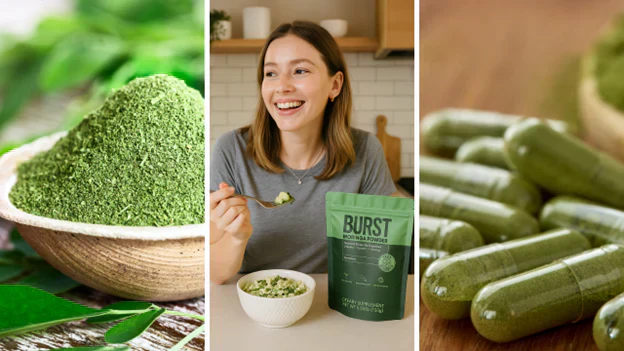
Moringa and matcha are both powerful green powders, but they are not the same thing. Matcha is best when you want a caffeine-based focus drink. Moringa is better when you want caffeine-free, nutrient-dense daily wellness support. That is the simplest answer. Matcha comes from powdered green tea leaves. It has caffeine, L-theanine, catechins, and a strong tea ritual behind it. Moringa comes from the leaves of the moringa tree and is used more as a whole-food nutritional supplement for energy support, immune support, general wellness, and long-term consistency. So, the better choice depends on what you want from your daily green powder. Quick answer: should you choose moringa or matcha? Choose matcha if you want: a green tea ritual caffeine-based alertness a coffee alternative a stronger focus effect a traditional tea flavour Choose moringa if you want: caffeine-free daily nutrition plant-based wellness support a broader nutrient profile energy support without relying on stimulants a green powder you can use consistently in smoothies, oats, water, or capsules For most people looking for a daily wellness supplement rather than a caffeine drink, moringa is the more practical everyday choice. What is matcha? Matcha is a finely ground powder made from green tea leaves, from the plant Camellia sinensis. Unlike regular green tea, where the leaves are steeped and removed, matcha involves consuming the powdered tea leaf itself. That is why matcha feels stronger than normal green tea. You are getting more of the leaf, not just an infusion. Matcha is known for: caffeine L-theanine EGCG and other catechins antioxidant activity a distinct green tea taste focus and alertness support Research reviews describe matcha as a source of catechins, caffeine, theanine, and other compounds that contribute to its antioxidant and focus-related appeal. What is moringa? Moringa is a nutrient-dense leaf from the Moringa oleifera tree. It has been used for generations as a food and wellness plant, especially because the leaves contain a wide range of vitamins, minerals, amino acids, antioxidants, and plant compounds. Moringa is not a tea. It is not a stimulant. It is better understood as a whole-leaf green nutrition supplement. Moringa is commonly used to support: daily energy and vitality immune health general nutrition focus and mental clarity digestion and wellness routines long-term resilience Moringa vs matcha: the main difference The biggest difference is this: Matcha gives you green tea energy. Moringa gives you green plant nutrition. That is why they feel different in a routine. Matcha is more like a cleaner, tea-based caffeine ritual. Moringa is more like a daily nutritional foundation. One is mainly about alertness and antioxidant-rich tea compounds. The other is about broad-spectrum nutrition and daily wellness support. Moringa vs matcha comparison table Category Moringa Matcha Plant source Moringa tree leaf Green tea leaf Main use Daily nutritional support Caffeine-based focus drink Caffeine Naturally caffeine-free Contains caffeine Best for Wellness, nutrition, energy support, consistency Alertness, focus, tea ritual Taste Earthy, green, plant-like Grassy, tea-like, slightly bitter Routine fit Smoothies, oats, water, capsules Hot or iced tea, lattes Supplement style Whole-food green nutrition Powdered green tea Best time Morning or daytime, flexible Usually morning or early afternoon Main caution Ask a professional if pregnant, medicated, or managing a condition Caffeine sensitivity, pregnancy caffeine limits, medication interactions Caffeine: the biggest practical difference This is where the choice becomes clear. Matcha contains caffeine. Moringa does not. For some people, that makes matcha useful. If you want a lift before work, studying, gym, or a long morning, matcha can be a good fit. But if you are sensitive to caffeine, already drink coffee, struggle with sleep, or want a green powder you can take every day without thinking about stimulant load, moringa has the advantage. Green tea is generally considered safe as a beverage for adults, but it does contain caffeine, and green tea products may interact with certain medicines. That makes moringa a strong option for people who want daily support without adding another caffeine source. Energy: stimulant lift vs nutritional support Matcha and moringa can both be associated with energy, but they work differently. Matcha energy Matcha gives energy mainly because it contains caffeine. The L-theanine in green tea may make the experience feel smoother than coffee for some people, but it is still a stimulant-based effect. A review of green tea phytochemicals found that caffeine can improve alertness and performance on demanding cognitive tasks, while L-theanine is linked with relaxation and calmness. The combination can support attention, although the effect depends on dose and context. Moringa energy Moringa supports energy differently. It does not “push” the body with caffeine. Instead, it supports the nutritional side of energy: daily intake of plant-based nutrients, amino acids, minerals, and antioxidants that help form a stronger wellness foundation. That is why moringa is often the better choice for people who say: “I do not want another stimulant. I want to feel better supported every day.” Nutrients: where moringa has the edge Matcha is impressive for tea compounds. Moringa is impressive for nutrient density. Matcha is strong in catechins, L-theanine, and caffeine. Moringa is broader. It naturally contains vitamins, minerals, amino acids, antioxidants, and plant compounds in the leaf. That broader profile is what makes moringa such a useful daily wellness plant. If your goal is focused alertness, matcha makes sense. If your goal is daily nutrition, immune support, energy support, and general wellness, moringa is the stronger fit. Antioxidants: both are strong, but different Both moringa and matcha contain antioxidant compounds. Matcha is especially known for catechins such as EGCG. Moringa contains antioxidants such as flavonoids, polyphenols, quercetin, and other naturally occurring plant compounds. The practical takeaway is not that one “destroys” the other. It is that they bring different antioxidant profiles. Matcha is an antioxidant-rich tea powder. Moringa is a nutrient-rich leaf powder with antioxidant support built into a broader nutritional profile. Taste and daily use This matters more than people think. A product can look amazing on paper, but if you do not enjoy using it, it will not become part of your life. Matcha taste Matcha has a strong green tea taste. Good matcha can taste smooth, grassy, slightly sweet, and earthy. Poor-quality matcha can taste bitter or harsh. Many people drink matcha as a latte with milk and sweetener. That can be enjoyable, but it also changes the nutritional profile of the drink. Moringa taste Moringa tastes green, earthy, and plant-like. Some people enjoy it immediately. Others prefer mixing it into smoothies, oats, juice, yoghurt, or other foods. This is where BURST™ Moringa Powder has a practical advantage. It is designed for smoother mixing and better real-world usability than normal moringa powders, which are often gritty and difficult to mix properly. BURST™ helps improve nutrient accessibility, supports smoother mixing in the powder format, and makes practical daily dosing easier. Is moringa a good matcha alternative? Yes — but only if you want the right thing. Moringa is not a matcha copy. It does not taste like matcha, and it will not give the same caffeine lift. But moringa is an excellent matcha alternative if you want: a caffeine-free green powder broader daily nutrition plant-based wellness support something you can use every day without stimulant timing a powder that fits smoothies, oats, water, or food routines For people who are already drinking coffee or energy drinks, moringa can be a smarter green powder choice because it does not add more caffeine to the day. Can you take moringa and matcha together? Yes, many people can use both in the same lifestyle. A practical approach would be: Matcha when you want a focused caffeine ritual Moringa when you want daily nutrient support You probably do not need to mix them into the same drink. It is cleaner to use them for different jobs. For example, matcha can be your occasional morning focus drink. Moringa can be your daily wellness habit in a smoothie, oats, water, or capsules. If you are caffeine-sensitive, pregnant, breastfeeding, taking medication, or managing a medical condition, be more careful and ask a healthcare professional before building a new supplement routine. Where BURST™ Moringa Powder fits BURST™ Moringa Powder is the best Moringa BURST product to position against matcha. Why? Because matcha users already understand powder rituals. They are used to scooping, mixing, whisking, blending, and building a morning routine. That makes the move to moringa powder easier. But BURST™ Moringa Powder brings a different promise: Not a caffeine hit. Not a trendy green latte. Not a stimulant ritual dressed up as wellness. It is premium moringa made more practical for daily use. BURST™ helps reduce nutrient loss from intact plant cell walls, supports better nutrient accessibility, and gives the powder a smoother mixing experience than standard moringa powder. This matters because a green powder only works in real life if people can use it consistently. The product truth is not just nutrients on paper; it is usable nutrition, practical dose, and daily consistency. When capsules are the better choice Powder is the natural comparison to matcha, but capsules still have a place. Choose BURST™ Moringa Capsules if you want the benefits of moringa but do not want: the taste the mixing the prep the green drink routine Capsules are the easiest starting point. They are pre-measured, portable, and simple. For busy people, that matters. Moringa BURST’s product selection logic supports capsules for customers who want the easiest routine, travel often, want convenience, or are unsure where to start. Powder is better for people who already use smoothies, oats, or food-based routines. Which is better for weight loss? Neither moringa nor matcha should be sold as a weight-loss solution. Matcha contains caffeine and catechins, which are often discussed in metabolism research. Moringa may support nutrition, energy, and wellness routines that can sit alongside healthier habits. But the real answer is simple: no green powder replaces food quality, movement, sleep, protein intake, calorie balance, and consistency. If your goal is a healthier daily routine, moringa may be more useful because it supports nutrition without relying on caffeine. Which is better for focus? For short-term focus, matcha has the advantage because of caffeine and L-theanine. For daily nutritional support that may help you feel more stable and supported over time, moringa is the better fit. So the question is not “which is better?” It is: Do you want a focus drink, or do you want a daily nutrition supplement? Which is better for daily wellness? For daily wellness, moringa wins. That is not because matcha is weak. Matcha is excellent. But matcha is still a caffeinated tea powder. Moringa is broader, caffeine-free, and easier to fit into a long-term wellness routine without worrying about timing, sleep, or stacking too much caffeine. If you want a green powder that supports energy, immune health, nutrition, and general wellness, moringa is the more complete daily option. Practical guide: how to choose Choose matcha if your main goal is: replacing coffee improving morning alertness enjoying a tea ritual getting a caffeine-based focus lift Choose moringa powder if your main goal is: daily plant nutrition caffeine-free energy support smoothies, oats, or food-based wellness a practical green powder routine Choose moringa capsules if your main goal is: no taste no prep no mixing easiest daily consistency FAQs: Moringa versus Matcha Is moringa better than matcha? Moringa is better for caffeine-free daily nutrition. Matcha is better for caffeine-based focus and a green tea ritual. The better option depends on your goal. Does moringa have caffeine like matcha? No. Moringa is naturally caffeine-free. Matcha contains caffeine because it is made from green tea leaves. Can moringa replace matcha? Moringa can replace matcha if you are using matcha mainly as a green wellness powder. It is not a direct replacement if you specifically want caffeine, green tea flavour, or a matcha latte ritual. Which is better in the morning: moringa or matcha? Matcha is better if you want a morning caffeine lift. Moringa is better if you want daily nutritional support without stimulants. Many people prefer moringa in the morning because it fits easily into smoothies, oats, water, or capsules. Can I mix moringa and matcha together? You can, but most people do not need to. It is usually better to use them separately: matcha for occasional focus and moringa for daily wellness support. Is moringa powder good in smoothies? Yes. Moringa powder works well in smoothies, oats, yoghurt, and wellness drinks. BURST™ Moringa Powder is designed for smoother mixing, which makes the daily routine easier to maintain. Moringa vs matcha is not really a battle between two green powders. It is a choice between two different routines. Matcha is a powdered green tea that works best for people who want caffeine, focus, L-theanine, and a traditional tea-style ritual. Moringa is a nutrient-dense leaf powder that works best for people who want caffeine-free daily wellness, nutritional support, energy support, immune support, and long-term consistency. For South African customers who want a practical everyday green powder, BURST™ Moringa Powder is the stronger wellness choice. For those who want no taste or prep, BURST™ Moringa Capsules are the easiest way to start. If you are looking for a caffeine-free green powder for daily wellness, start with BURST Moringa Powder. If you want the easiest possible routine with no taste and no mixing, choose BURST Moringa Capsules. For help choosing between the two Moringa BURST formats, read: Moringa Powder vs Capsules
Learn more
Rosabella Moringa vs Moringa Burst: Honest Head-to-Head (2026)
Rosabella became one of the most searched moringa brands in 2025. But a 2026 FDA recall, dosage questions, and transparency gaps have left many buyers looking for a better option. We put both brands under the microscope, comparing dosage, bioavailability, sourcing, safety, and value, so you can make a confident choice. Transparency note: We make Moringa Burst. Every claim below is backed by publicly available data. We encourage you to draw your own conclusions. ⚠ Safety Notice – February 2026: Ambrosia Brands, LLC (Rosabella's parent company) issued a voluntary recall of certain Rosabella Moringa Capsule lots due to potential contamination with extensively drug-resistant Salmonella. The FDA and CDC reported seven illnesses and three hospitalisations across the US. The outbreak strain is resistant to all first-line antibiotics commonly used for treatment. If you have Rosabella capsules at home, check your lot numbers on the FDA recall page before consuming. Quick Verdict 🏆 Moringa Burst – Our Recommendation: CellBurst™ processing for enhanced bioavailability. ~5,000mg daily dose within the clinical research range. Southern African sourcing. Powder + capsule options. Third-party tested with results published. No recall history. Subscription from $0.67/serving. Rosabella Moringa – Under Scrutiny: 800mg daily dose, well below most clinical study ranges Under FDA recall since February 2026 for drug-resistant Salmonella Testing reports not publicly available (email request required) Multiple subscription billing complaints on Trustpilot Moringa Burst vs Rosabella: Side-by-Side Feature Moringa Burst Rosabella Format Powder + Capsules Capsules only Daily Moringa Dose ~5,000mg (powder) 800mg Dose vs Research ✓ Within 1,500–6,000mg range ✗ Below minimum studied dose Bioavailability ✓ CellBurst™ cell-wall disruption Standard powder in capsule Sourcing Southern Africa (nutrient-rich soil) India (limited detail) Organic Certified ✓ Yes ✓ Yes 3rd-Party Testing ✓ Published on website ⚠ Must email to request FDA Recall History ✓ None ✗ Feb 2026 Salmonella recall Fillers / Additives None. 100% moringa leaf None stated One-Time Price $39.99 ~$24.99–$40 (varies) Subscription Price $20.79 (48% off first month) ~$25.50 (auto-ship) Money-Back Guarantee ✓ 30 days ✓ 90 days (reported issues) Subscription Complaints ✓ None reported ✗ Multiple billing complaints Manufacturer Moringa Burst Ltd Ambrosia Brands, LLC (Sheridan, WY) Try Moringa Burst Risk-FreeCellBurst™ processed moringa. 92 nutrients in every scoop. Subscribe and save up to 52%.Shop Now → Dosage: The Most Important Number Most People Overlook Here's the question that should come before branding, packaging, or price: does this product contain enough moringa to actually do something? Published human clinical trials on moringa's effects, from blood sugar management and inflammation reduction to antioxidant activity, consistently use doses in the 1,500mg to 6,000mg range, taken daily over several weeks. Rosabella delivers 800mg per serving (two capsules). That's roughly one-third to one-half of the lowest dose used in clinical studies showing meaningful results. If you're taking a supplement specifically for energy support, immune health, or inflammation, 800mg may not be enough to move the needle. Moringa Burst's powder format delivers approximately 5,000mg per scoop. That places it in the upper range of what researchers have studied, without requiring a handful of capsules. One scoop in water, a smoothie, or juice. That's it. "When your body gets the nutrients it needs, energy comes naturally. But it needs enough of them." Could you double up on Rosabella capsules to increase your dose? In theory, yes. But you'd burn through bottles twice as fast, doubling your monthly cost. Even at 1,600mg you'd still sit at the low end of the research-backed range, and at a higher price per milligram than Burst. Bioavailability: What Your Body Actually Absorbs Dosage tells you how much moringa you're consuming. Bioavailability tells you how much your body can actually use. Most moringa brands only address the first problem. Moringa leaves store nutrients inside cell walls. Standard processing dries the leaves and grinds them into powder, but much of that cellular structure remains intact. Your digestive system has to break those walls down before the vitamins, minerals, and antioxidants inside become available. How CellBurst™ Works Moringa Burst uses a proprietary CellBurst™ process that gently breaks open moringa leaf cell walls before final drying and milling. The result is a fine, water-dispersible powder where more of the plant's natural nutrition is already accessible. No extra digestive work required. Think of it as the difference between eating a walnut whole (shell and all) versus eating a shelled walnut. Same nutrition inside. Very different absorption. CellBurst™ also produces a noticeably smoother mixing experience. Less grit at the bottom of the glass, which makes daily consistency easier. And consistency is where moringa really delivers. If you're wondering how long moringa takes to work, most people notice subtle improvements within the first week or two. What Rosabella Offers Rosabella uses standard moringa leaf powder packed into capsules. There's no stated bioavailability enhancement or cell-wall disruption process. The capsule dissolves in your stomach, and then your body does all the work. This is how most moringa capsules work. But when combined with a lower dose (800mg vs ~5,000mg), the gap in what your body actually receives widens further. Not sure whether powder or capsules suit you better? We've covered the trade-offs. Sourcing and Transparency Not all moringa is created equal. Soil quality, sun exposure, altitude, and farming practices all directly affect the concentration of vitamins, antioxidants, and minerals in the final product. Moringa Burst: Southern Africa Burst sources its moringa from Southern Africa, where high-intensity sun exposure and mineral-rich soils produce leaves with naturally higher nutrient density. This is the same sourcing that delivers the skin benefits, hair support, and anti-inflammatory compounds our other articles explore in depth. Third-party testing results are published directly on the website. You can verify purity, potency, and the absence of heavy metals before you buy. No email required. Rosabella: India, With Limited Detail Rosabella sources from India, a major moringa-growing region. But the brand provides relatively little detail beyond that. Which region? What farming practices? These questions remain largely unanswered. Rosabella requires customers to email for certificates of analysis. Some reviewers who have requested reports noted receiving simplified certificates showing "pass" or "fail" results rather than specific measurements. Detailed numbers matter. They're the difference between genuine transparency and checkbox compliance. Safety and Trust: The 2026 Reality Check This is the single most important factor in this comparison right now. In February 2026, the FDA and CDC linked Rosabella Moringa Capsules to an outbreak of extensively drug-resistant Salmonella Newport. Seven people fell ill across seven US states, with three requiring hospitalisation. Ambrosia Brands issued a voluntary recall of specific lots. The Salmonella strain involved is resistant to all first-line and alternative antibiotics commonly recommended for treatment. The CDC specifically warned that standard treatments may not work if antibiotics are needed. The recalled products were sold through Rosabella's website, TikTok Shop, and potentially through unauthorised third-party sellers on eBay and Shein. Notably, Rosabella acknowledged it does not have authorised resellers on Amazon, yet the product was available there. Contamination can affect any manufacturer. What differentiates brands is the rigour of their quality assurance systems and how accessible their safety data was before a problem occurred. Moringa Burst's Safety Position Moringa Burst has no FDA recall history. Products are third-party tested with results published online. Since launch, there have been zero reported safety incidents. For anyone taking moringa for menopause support, blood sugar balance, or during pregnancy, safety record matters. Value for Money: Price Per Effective Serving Headline price doesn't tell the full story. What matters is cost per milligram of moringa you actually absorb, and whether the dose provides genuine benefits. Rosabella's price ranges from approximately $24.99 to $40 depending on the channel. With auto-ship, around $25.50. At 800mg per serving, you're paying for a dose below the clinically studied range. Moringa Burst is $39.99 one-time for 30 servings. With a subscription, that drops to $20.79 for your first month (48% off), then $35.99 ongoing (10% off for life). At ~5,000mg per serving with CellBurst™ enhanced absorption, the cost per effective milligram is substantially lower. "The cheapest supplement isn't the one with the lowest sticker price. It's the one that actually works at the dose it provides." Overall Scoring: How Both Brands Compare Moringa Burst – Strengths: CellBurst™ cell-wall disruption for better absorption ~5,000mg daily dose (within clinical range) Southern African sourcing, nutrient-rich soil Powder + capsule formats available Third-party tested, results published online No FDA recall history, zero safety incidents No subscription billing complaints Up to 52% off first subscription month Moringa Burst – Considerations: Newer brand with a smaller review base Earthy taste (inherent to pure moringa) Premium one-time price; subscription recommended Rosabella Moringa – Strengths: Simple, clean ingredient list Accessible entry-level price Customer service praised for responsiveness Convenient two-capsule daily serving Rosabella Moringa – Concerns: 800mg dose well below clinical research range Feb 2026 FDA recall (drug-resistant Salmonella) Seven illnesses, three hospitalisations reported Testing reports not publicly available Multiple auto-billing complaints on Trustpilot Limited sourcing detail beyond "India" No bioavailability enhancement technology Sold via TikTok Shop and unauthorised 3rd-party sellers Ready to Feel the Difference?92 nutrients. CellBurst™ bioavailability. One daily scoop. Clean nutrition your body recognises.Get 52% Off → Frequently Asked Questions Is Rosabella moringa safe to take in 2026? Certain Rosabella moringa lots were recalled in February 2026 due to potential contamination with extensively drug-resistant Salmonella. The FDA and CDC investigation is ongoing. If you have Rosabella capsules, check your lot number against the FDA recall notice before consuming. For moringa supplementation without recall concerns, look for brands with clean safety records and publicly accessible third-party testing. Is Moringa Burst a good alternative to Rosabella? Moringa Burst offers a significantly higher daily dose (~5,000mg vs 800mg), CellBurst™ enhanced bioavailability, published third-party testing, and no recall history. It's designed for people who want a research-range moringa dose that fits easily into a daily routine, as a powder or capsule. What is CellBurst™ technology? CellBurst™ is a processing method that gently breaks open moringa leaf cell walls before drying and milling. This may help your body access more of the nutrients naturally locked inside plant cells, improving both absorption and mixing experience compared to standard moringa powders. How much moringa should I take per day? Published clinical research typically uses doses from 1,500mg to 6,000mg daily, taken consistently over several weeks. Moringa Burst's powder provides approximately 5,000mg per scoop. Rosabella's 800mg per serving falls below most studies showing measurable results. For a full timeline of what to expect, see what happens if you take moringa every day. Why does moringa sourcing matter? Moringa leaf nutrient content is directly influenced by soil quality, sunlight intensity, and growing conditions. Leaves from mineral-rich regions with strong sun exposure contain higher concentrations of vitamins, antioxidants, and plant compounds. Moringa Burst sources from Southern Africa, where these conditions produce high-potency moringa. Was Rosabella moringa recalled? Yes. In February 2026, Ambrosia Brands issued a voluntary recall of specific moringa capsule lots after the FDA and CDC linked the product to an outbreak of extensively drug-resistant Salmonella. Seven people were reported ill, with three hospitalisations. Check the FDA website for the full list of affected lot codes. Does Moringa Burst ship internationally? Moringa Burst is available through moringaburst.com and Amazon. UK and US delivery is typically available with standard and express options. Can I take moringa if I'm on medication? Moringa may interact with certain medications, particularly those for diabetes, blood pressure, and thyroid conditions. Always consult your healthcare provider before starting any new supplement. Our guides on moringa and blood sugar and moringa and menopause cover specific considerations. Our Final Take This comparison isn't about one brand being bad and another being perfect. It's about making sure your moringa supplement is actually giving you what you're paying for. Rosabella built significant awareness through social media. That brought moringa into the mainstream conversation for a lot of people. But awareness and efficacy are different things. An 800mg dose that falls short of the clinical research range, a major safety recall, limited testing transparency, and a pattern of subscription billing complaints are real concerns that informed buyers should weigh carefully. Moringa Burst was built to address exactly these gaps. CellBurst™ processing helps your body absorb more from every serving. A ~5,000mg daily dose puts you in the range where research actually shows results. Clean Southern African sourcing prioritises nutrient density. And published third-party testing means you never have to take safety on trust alone. When your body gets the nutrients it needs, in the right amounts, from the right source, in a form it can actually use, energy, clarity, and resilience follow naturally. That's the principle behind Moringa Burst. Plant-powered energy. Science-backed natural wellness. Designed for real life. Make the Switch to Moringa BurstSubscribe and save up to 52% on your first month. Pause or cancel anytime.Shop Now → Disclaimer: This content is produced by Moringa Burst. While we've made every effort to present accurate, publicly verifiable information, this article represents our perspective as a brand. Moringa is a dietary supplement and is not intended to diagnose, treat, cure, or prevent any disease. Individual results may vary. Always consult a healthcare professional before starting any supplement. FDA recall information is sourced from publicly available FDA.gov notices. Pricing is accurate as of March 2026 and may vary.
Learn more
Moringa powder vs capsules
Moringa oleifera has been used for centuries as both food and medicine. Today it's earned a place in modern wellness for one simple reason: it is incredibly nutrient dense. If you are considering moringa as a daily supplement, one question usually comes up first — should you take it as a powder or as capsules? Both deliver the same plant, but the experience is very different. The short version: Neither form is better than the other — the right choice comes down entirely to your lifestyle, taste preferences and how you like to build habits. Understanding Moringa Moringa oleifera is a fast-growing tree native to South Asia and Africa. While many parts of the plant are edible, supplements almost always use the leaves because they contain the highest concentration of nutrients. Vitamins A, C and E, plus a full range of B vitamins Minerals including iron, calcium, magnesium and potassium All nine essential amino acids Polyphenols and flavonoids that protect cells from oxidative stress and inflammation This combination is what makes moringa appealing as an all-around wellness supplement rather than something that targets just one area of health. You can read more about the full picture in our guide to what happens when you take moringa every day. Powder vs Capsules: The Real Differences Nutrient Absorption Both powder and capsules contain the same moringa leaf. With powder, nutrients begin absorbing as soon as it is consumed. Capsules need to dissolve first, which can slow absorption slightly — though for most people this difference is minimal. When quality is high, both forms deliver very similar benefits. Convenience Powder works best for people who already prepare smoothies, teas or meals and don't mind measuring and mixing. Capsules are easier if you want something quick, clean and portable — no prep, no taste, no mess. If your schedule is busy or you travel often, capsules tend to be the simpler choice. Taste Moringa powder has a natural green, earthy flavour. Some people enjoy it blended into smoothies, while others find it hard to mask. Capsules remove taste from the equation entirely, which can make a big difference for long-term consistency. Flexibility Powder gives you full control over how much you take — you can start small and adjust gradually. Capsules offer precise dosing, which is helpful if you prefer structure or are following a specific routine. Cost In most cases, powder costs less per gram, especially when purchased in larger quantities. Capsules are usually more expensive due to encapsulation and packaging costs. For long-term daily use, powder is generally more economical. Storage and Stability Powder should be kept airtight and away from heat and light to preserve nutrients. Capsules are more stable and less sensitive to environmental exposure, which helps maintain potency over time — useful if you travel or keep supplements at work. "The best form of moringa is the one you'll actually take every day. Consistency matters far more than the delivery method." Moringa Powder vs Capsules — Full Comparison Factor Moringa Powder Moringa Capsules Nutrient Absorption Very fast (direct) Slight delay (capsule dissolution) Convenience Needs prep, blending Easy, no prep Taste Earthy, green Tasteless Flexibility Highly flexible dose Fixed dose, reliable Cost Efficiency Better for bulk, daily use Higher per serving Long-Term Stability Sensitive to moisture/light More stable sealed form Best For Recipe users, long-term wellness Travel, consistency, precise dose Side Effect Risk Low–moderate (depends on dose) Low–moderate, more controlled Which One Is Right for You? Powder tends to work best if you: Enjoy smoothies, cooking or food prep Want dose flexibility and control Are focused on long-term value and economy Already have a morning routine you can add it to Capsules are usually better if you: Want something quick and portable Dislike strong or earthy flavours Travel frequently or have an unpredictable schedule Prefer a consistent, measured dose without extra effort Neither form is inherently better. Both deliver the same nutrient-dense moringa leaf. The best option is simply the one you will use consistently — because as with any supplement, the benefits build over time with regular use. Moringa's benefits span a wide range of health goals. Whether you're interested in women's wellness, men's health, blood sugar support or just general daily energy, both forms get you there. How to Use Moringa Format Starting Dose How to Use Powder ½ tsp, build to 3–5g daily Smoothies, yogurt, oatmeal, warm drinks. Store airtight away from heat. Capsules Follow label instructions Take with water at a consistent time each day. In both cases, consistency matters more than timing. Most people notice subtle benefits within the first week, with more noticeable changes developing over several weeks of regular use. See our full timeline guide for what to expect. Safety and Side Notes Moringa is generally well tolerated at common supplement doses. Some people experience mild digestive changes when starting — these usually pass as the body adjusts. ⚠ Worth knowing before you start: Because moringa is naturally high in iron, those with iron-related conditions or people on medication for blood sugar or blood pressure should consult a healthcare provider before supplementing regularly. Product quality matters — look for moringa sourced from clean growing environments and third-party tested for purity. Final Thoughts Choosing between moringa powder and capsules is less about which one is better and more about which one fits your life. Powder offers flexibility and value. Capsules offer simplicity and consistency. Both forms let you tap into one of the most nutrient-dense plants available. Burst Moringa is harvested from nutrient-rich Southern African soil, gently processed to preserve every vitamin, mineral and antioxidant — available in both powder and capsules, third-party tested for purity and potency. Powder or Capsules — Your ChoiceThird-party tested. Grown in nutrient-rich Southern African soil. Free from fillers.Shop Now →
Learn more
Moringa and Menopause: Natural Support for Energy, Mood and Bone Health
Menopause is a natural life stage, but for many women it comes with real challenges. Hormonal shifts can affect energy, sleep, mood, metabolism, joints and bone health. Symptoms like hot flashes, fatigue, brain fog and low mood can last for several years — and many women are looking for natural ways to feel more in control through this transition. Moringa has gained attention as one of the world's most nutrient-dense plants — and moringa for menopause support makes particular sense. Its natural combination of iron, B vitamins, calcium and antioxidants aligns closely with the systems most disrupted by hormonal change. This guide explores whether moringa supplements for menopause are worth considering, what the science says, and how to use it safely alongside your existing routine. The short version: Moringa won't replace hormones, but its nutritional profile — antioxidants, minerals, B vitamins — directly supports the systems most disrupted by menopause. Research suggests consistent daily use of 3–7g powder (or 500–1,000mg capsules) gives the best results. What is moringa? Moringa oleifera is a fast-growing tree traditionally used across Africa and Asia for its nutritional value. The leaves are especially rich in essential nutrients and bioactive compounds that support whole-body health. It's the same plant behind Burst Moringa Powder — gently processed to keep every nutrient intact. What moringa naturally contains: Antioxidants such as quercetin and chlorogenic acid — shown to reduce oxidative stress and inflammation Vitamins A, C, E and K — essential for immune health, skin and bone support Minerals including calcium, magnesium, iron and potassium — all of which become more important after menopause Phytonutrients that support cellular and metabolic health This combination makes moringa particularly relevant during midlife, when nutrient demands increase and protective hormones decline. If you're wondering how long moringa takes to work, most people notice subtle shifts within the first one to two weeks — with deeper changes building over two to three months. What changes during menopause? Menopause typically occurs between the ages of 45 and 55 and is defined by a decline in estrogen and progesterone. Estrogen affects far more than reproduction — it plays a role in bone density, cardiovascular health, brain function, inflammation control and metabolism. As levels fall, women commonly experience: Hot flashes and night sweats Fatigue and disrupted sleep Mood changes, anxiety or low mood Joint stiffness and inflammation Weight gain, especially around the abdomen Bone density loss Brain fog and reduced focus "Because menopausal symptoms are interconnected, broad nutritional support tends to work better than targeting a single symptom in isolation." Moringa during perimenopause Many women start noticing symptoms years before their last period. This transition phase — perimenopause — can begin in the early 40s and involves the same hormonal fluctuations that drive full menopause symptoms: disrupted sleep, mood changes, irregular cycles and energy dips. The nutritional support moringa provides is equally relevant during perimenopause. Iron and B vitamins support energy during a time when fatigue often starts to build. Calcium and magnesium support bone density before the sharper decline that follows menopause. Antioxidants help manage the increasing oxidative stress that accompanies hormonal change. If you're in your early-to-mid 40s and recognising these patterns, moringa supplements during perimenopause can be a practical and proactive step — not a treatment, but meaningful nutritional support at a time when your body needs it most. Potential benefits of moringa for menopause So does moringa help with menopause symptoms? Research suggests it may — not by replacing hormones, but by supporting the underlying systems most affected when they decline. Here's where the evidence points. 1. Reducing inflammation Estrogen has natural anti-inflammatory effects. As it declines, inflammation often rises. Moringa contains compounds — including quercetin and chlorogenic acid — shown to reduce oxidative stress and inflammatory markers. This may help with joint discomfort, general aches and overall physical comfort. The same properties are why moringa is used to support joint pain and arthritis management. 2. Supporting energy levels Fatigue is one of the most common menopausal complaints. Moringa provides iron to support oxygen delivery and B vitamins that help convert food into usable energy. When your body gets the nutrients it needs, energy comes more naturally — without relying on stimulants. If you're taking moringa every day, sustained energy is often one of the first improvements people notice — and it ties in well with staying active through midlife. 3. Indirect hormonal support Moringa does not replace hormones, but it supports the systems affected by hormonal change. Antioxidants help protect tissues from increased oxidative stress, while minerals support endocrine and metabolic processes. This is why moringa features consistently across guides on moringa's benefits for women at different life stages. 4. Bone health support Bone loss accelerates after menopause due to reduced estrogen. Moringa supplies calcium, vitamin K and magnesium — all essential for bone structure and mineral balance. A study published in the Journal of Food Science and Technology found that postmenopausal women supplementing with moringa leaf powder showed improvements in bone mineral markers alongside antioxidant status. While moringa is not a treatment for osteoporosis, it contributes meaningfully to a bone-supportive daily routine. 5. Mood and cognitive health Mood swings, anxiety and brain fog are common during menopause. B vitamins in moringa support nervous system function and neurotransmitter production. Research also suggests moringa's antioxidants may help protect brain cells from oxidative stress — supporting mental clarity and emotional balance over time. 6. Blood sugar stability Hormonal shifts can impact insulin sensitivity. Early research suggests moringa may support healthy blood sugar levels — an area explored in our guide on moringa and blood sugar. Keeping blood sugar stable helps prevent the energy crashes and mood fluctuations that often worsen during menopause. 7. Skin and hair through the change Declining estrogen affects collagen production and scalp health. Moringa's zinc, vitamin A and amino acids support both — covered in more depth in our articles on moringa for skin and moringa for hair growth. What does the research say? Human research on moringa and menopause is still developing, but a growing body of evidence points in a consistent direction. Here's a summary of the key findings relevant to women going through hormonal change. Antioxidant status and haemoglobin A notable study in postmenopausal women found that daily moringa leaf supplementation over three months significantly improved antioxidant status and haemoglobin levels. Both are directly relevant to menopause — oxidative stress rises sharply as estrogen declines, and low haemoglobin is a common driver of the fatigue many women experience during this transition. Inflammation and metabolic markers Studies suggest moringa's plant compounds — particularly quercetin and chlorogenic acid — may help reduce inflammatory markers and support metabolic health. A review published in Phytotherapy Research identified moringa as having meaningful anti-inflammatory and antioxidant activity, with potential relevance for the chronic low-grade inflammation that commonly increases after menopause. Blood sugar regulation Research published in the Journal of Diabetes found that moringa leaf extract helped reduce fasting blood glucose levels in clinical populations. Since menopause can impair insulin sensitivity, this is particularly relevant for women managing energy fluctuations and weight changes during the transition. Bone mineral support Moringa's calcium, magnesium and vitamin K content is well established. While direct clinical trials on moringa and bone density in menopausal women are limited, the individual nutrients it provides are consistently recommended for bone health support in this demographic — making it a practical dietary contributor to an overall bone-protective routine. The honest picture: Research on moringa supplements for menopause is promising but still emerging. The evidence is strongest for antioxidant support, energy and inflammation management. Moringa is not a hormonal treatment — but its nutritional profile directly addresses several of the systems most affected by hormonal change. How to use moringa for menopause Moringa comes in two main forms — powder and capsules. Not sure which suits you? Our powder vs capsules guide breaks down the differences in taste, convenience and cost. Most research uses a daily moringa dosage of 3–7g of leaf powder — roughly half a teaspoon to one full teaspoon. For capsules, a typical starting moringa dose is 500–1,000mg once or twice daily. Start at the lower end and build up as your body adjusts. Consistency matters more than quantity. Format Daily moringa dosage Best for Powder ½ tsp → 1–2 tsp (3–7g) Smoothies, yogurt, soups, warm drinks Capsules 500–1,000mg daily Convenience, consistent dosing — ideal for busy schedules Tea 1–2 cups daily Hydration, relaxation, gentle intake When to expect results Timeline What you may notice 1–2 weeks Improved energy and vitality — often the first shift people feel 3–4 weeks Better mood balance, physical comfort and more consistent sleep 2–3 months Broader benefits tied to inflammation, metabolic support and bone health Safety and considerations Moringa leaf is generally well tolerated. Mild digestive discomfort can occur if starting with large doses — starting at half a teaspoon and building up gradually helps. Avoid moringa root and bark — only the leaf is recommended. For a full picture of daily use and tolerability, see what happens if you take moringa every day. Moringa is not an alternative to hormone replacement therapy. Many women use it alongside HRT or other prescribed treatments as nutritional support — but it should complement medical care, not replace it. If you're considering changes to your menopause management, speak to your healthcare provider first. ⚠ Speak with a healthcare professional if you: Take blood pressure, thyroid or diabetes medications · Have kidney stones · Have an autoimmune condition · Are using hormone replacement therapy. Moringa complements medical care but should not replace prescribed treatments. Final thoughts Moringa supplements for menopause won't reverse hormonal change — but they give your body more of what it needs to navigate it well. The combination of antioxidants, B vitamins, calcium and iron supports energy, inflammation balance, bone health and cognitive function during a time when nutrient demands are genuinely higher. Used consistently, moringa may help women feel more supported, resilient and energised through the transition — whether that's during perimenopause, menopause itself, or beyond. It's part of a wider picture of moringa's benefits for women across all life stages — from pregnancy and postnatal recovery, to managing weight through hormonal change. Plant-powered support for midlife — Burst MoringaPremium powder & capsules. Harvested from nutrient-rich Southern African soil. Third-party tested.Shop Now → Common questions Does moringa help with menopause symptoms? Research suggests moringa may help support several systems disrupted by menopause — including energy, inflammation, mood and bone health. It's not a hormonal treatment, but its natural iron, B vitamins, calcium and antioxidant content directly supports the areas most affected by declining estrogen. Most women who notice a difference report improved energy first, with broader benefits building over two to three months of consistent daily use. Is moringa good for menopause? Yes — moringa is well suited to the nutritional needs of menopause. Its combination of antioxidants, calcium, magnesium, iron and B vitamins supports the specific systems most disrupted by hormonal change: energy metabolism, bone density, inflammation management and mood. It's not a cure for menopause, but as part of a consistent daily routine, moringa supplements for menopause can be a meaningful form of nutritional support. What is the recommended moringa dosage for menopause? Most research uses a daily moringa dosage of 3–7g of leaf powder — roughly half a teaspoon to one full teaspoon. For capsules, 500–1,000mg once or twice daily is a typical starting point. Start at the lower end and build up gradually. Consistency at a moderate daily dose produces better results than larger, irregular amounts. Can I take moringa alongside HRT? Many women use moringa alongside hormone replacement therapy as nutritional support. Moringa is not a hormonal supplement and does not interact with HRT directly, but if you're taking prescribed medications — including HRT, blood pressure or thyroid medication — it's always worth checking with your healthcare provider before adding any new supplement to your routine. How long does moringa take to work for menopause symptoms? Energy is usually one of the first things women notice — often within one to two weeks of consistent daily use. Mood balance and physical comfort typically improve over three to four weeks. Deeper benefits — inflammation support, bone health, metabolic balance — build over two to three months. Consistency is the key variable. See our full guide on how long moringa takes to work for the complete timeline by benefit.
Learn more
Sexual Health Benefits of Moringa: Testosterone & Sex Drive
Moringa oleifera has been used for centuries across Africa and Asia, and is now gaining attention for more than just general wellness. A growing number of people are asking whether moringa can support libido, testosterone and overall sexual health. This guide breaks down what moringa can realistically offer, based on nutrition science, early research and how sexual health actually works in the body. The short version: Moringa isn't a libido drug. It works by supporting the underlying systems — hormone balance, circulation, energy and stress — that make sexual wellness possible. Results build gradually with consistent use. Why Moringa Is Linked to Sexual Health Sexual wellness depends on several key factors: hormone balance, circulation, energy levels and stress management. Moringa supports all four through its nutritional profile — not as a stimulant, but as foundational nutritional support. Zinc — essential for testosterone production and reproductive health Iron — supports energy, oxygen delivery and stamina Magnesium — involved in hormone regulation and blood flow B vitamins — crucial for energy metabolism and nervous system function Antioxidants (polyphenols) — protect reproductive cells from oxidative stress This makes moringa particularly relevant for people whose low libido is tied to fatigue, nutritional gaps or chronic stress — the same reasons it features in guides on men's health and women's wellness more broadly. Does Moringa Increase Testosterone? Short answer: it may support testosterone, but it's not a hormone shortcut. What the research shows Animal studies suggest moringa leaf extract can help protect testicular cells from oxidative stress and support normal testosterone production. Antioxidants like quercetin and chlorogenic acid appear to reduce cellular damage where testosterone is made. However, human clinical trials are limited — moringa cannot currently be classified as a proven testosterone booster. What we do know Moringa provides nutrients directly linked to healthy testosterone levels: Zinc — directly required for testosterone synthesis Magnesium — supports hormone-related enzymatic activity Antioxidants — protect hormone-producing cells from oxidative damage "Think of moringa as nutritional support for hormone health — not a replacement for medical treatment or testosterone therapy, but a meaningful foundation." Moringa Benefits for Sexual Health 1. More Energy & Less Fatigue Low energy is one of the most common reasons for reduced libido. Moringa supports sustained energy through iron, B vitamins and amino acids — without relying on stimulants like caffeine. Many people report feeling more physically capable within days to weeks, which naturally supports sexual stamina. This connects closely with what happens when you take moringa every day — energy is consistently one of the first improvements noticed. 2. Libido Support for Men & Women Libido is affected by stress, mood and nutrient status. Moringa's antioxidants and amino acids support the neurotransmitters involved in desire, help reduce inflammation and promote a balanced stress response. This creates better conditions for healthy sexual interest over time — for both men and women. 3. Circulation & Blood Flow Healthy blood flow is essential for arousal and sexual performance. Moringa contains polyphenols that support vascular function and nitric-oxide pathways, which play a role in erectile health and sensitivity. These same circulation benefits are why moringa is also relevant for active performance and fitness. 4. Stress & Mood Balance Chronic stress is one of the biggest suppressors of libido. Moringa's anti-inflammatory and antioxidant properties may help improve mood and resilience, indirectly supporting sex drive. The same mechanisms underpin moringa's benefits during menopause, where stress and mood shifts are common. 5. Reproductive Health Support While not a fertility treatment, moringa nutrients support overall reproductive wellness. Animal research shows antioxidant protection for sperm health, while women may benefit from moringa's iron, folate and zinc support — particularly relevant for those exploring moringa during pregnancy or postnatal recovery. Is Moringa Good for Sex Drive? For many people, yes — especially if low libido is linked to fatigue, nutritional gaps or stress. You may see the most benefit if you: Struggle with low or inconsistent energy levels Have iron or zinc deficiency Experience chronic stress or inflammation Want caffeine-free, natural vitality support Results vary, but moringa works best as part of a consistent daily routine. It's not a one-off fix — the nutritional support it provides builds over time, which is why understanding the timeline matters. How to Use Moringa for Sexual Wellness Format Dose How to use Powder ½–2 tsp daily (1–4g) Mixed into smoothies, drinks or meals Capsules 500–1,000mg once or twice daily With water at a consistent time each day ⚠ Best practice tips: Take consistently, preferably earlier in the day · Pair with food containing healthy fats for better absorption · Allow 2–8 weeks for noticeable benefits · Not sure which format suits you? See our powder vs capsules guide. Final Thoughts Moringa isn't a miracle libido pill — but it is a powerful nutritional ally for sexual wellness. By supporting energy, circulation, stress balance and hormone-related nutrition, moringa may help improve libido and vitality for both men and women, especially when used consistently alongside a healthy lifestyle. For a deeper look at how moringa supports men and women differently, see our guides on men's health benefits and women's wellness. And if blood sugar or hormonal balance is also a concern, moringa's broader metabolic benefits are covered in our diabetes guide. Support Your Vitality Naturally — Burst Moringa, Third-Party TestedPremium powder & capsules for daily energy, hormone support and overall wellness.Shop Now →
Learn more
Mens Health & Moringa: Top 10 Health Benefits
Moringa, also known as Moringa oleifera, is one of the most nutrient-dense plants in the world. Its leaves contain a wide range of vitamins, minerals, antioxidants and amino acids that support everyday health. For men looking to improve energy, immunity, heart health, hormone balance and overall wellness, moringa offers a simple and natural option — without the jitters or crashes that come with stimulants. Why men specifically? Modern life — long workdays, training, stress and imperfect diets — quietly erodes energy and resilience. Many men fall short on essential nutrients without realising it. Moringa closes those gaps using a whole food source rather than synthetic supplements. What Does Moringa Do for Men? Moringa contains vitamins A, C and E, iron, magnesium, zinc and all nine essential amino acids. This unique combination supports multiple systems in the body simultaneously — and because it's naturally caffeine-free, it supports energy without the jitters or crashes of stimulants. Zinc & magnesium — essential for testosterone production and hormone balance Iron & B vitamins — fuel oxygen delivery, energy metabolism and mental focus Vitamin C & antioxidants — immune defence and recovery from training Complete amino acids — all nine essential AAs for muscle repair and protein synthesis Polyphenols & flavonoids — anti-inflammatory protection across multiple systems Moringa is available as powder or capsules. Powder works well mixed into smoothies or meals; capsules are ideal for busy schedules. Not sure which to choose? Our powder vs capsules guide covers the differences in depth. Top 10 Health Benefits of Moringa for Men 1. Supports Natural Energy Moringa supports energy by improving oxygen delivery and cellular energy production. Its iron content supports healthy red blood cells, while B vitamins and amino acids help convert food into usable fuel. Men notice a steady increase in energy rather than a sudden spike — making it a sustainable alternative to caffeine. See the full picture of what happens when you take moringa every day. 2. Strengthens Immune Health Moringa is rich in vitamin C, zinc and protective antioxidants. These nutrients support immune defences, especially during periods of heavy training, stress or lack of sleep. Its anti-inflammatory properties also support recovery and resilience between sessions. 3. Supports Hormone Balance Zinc and magnesium in moringa play an important role in testosterone production and hormonal regulation. Moringa's antioxidant profile may also help reduce stress-related hormone disruption over time. For a deeper look at this topic, see our guide on moringa and testosterone. 4. Supports Sexual Health Moringa has a long history of traditional use for male vitality. By supporting circulation, reducing oxidative stress and helping maintain hormone balance, moringa may support libido, stamina and overall reproductive health. More detail in our dedicated sexual health guide. 5. Promotes Heart Health Moringa contains plant compounds that support healthy cholesterol levels and reduce oxidative stress in blood vessels. Regular use may support long-term cardiovascular health by helping maintain flexible, healthy arteries — an increasingly important consideration for men from their thirties onwards. 6. Aids Muscle Recovery and Performance As a complete plant protein, moringa contains all essential amino acids needed for muscle repair and recovery. Its anti-inflammatory compounds may also reduce soreness and support physical performance — which is why it features in our guide on moringa for fitness. 7. Improves Focus and Mental Clarity Iron, B vitamins and amino acids in moringa support oxygen flow to the brain and neurotransmitter production. This helps with concentration, mental stamina and staying sharp throughout the day — particularly useful for men managing demanding workloads. 8. Supports Digestion Moringa contains fibre and compounds that support healthy digestion and gut function. Good digestion improves nutrient absorption, which cascades into better energy, immunity and hormonal health — making it a foundational benefit that amplifies everything else. 9. Supports Skin and Hair Health Zinc, vitamin A, vitamin E and amino acids in moringa support collagen production, skin renewal and healthy hair growth. These same nutrients are covered in detail in our articles on moringa for skin and moringa for hair growth. 10. Provides Antioxidant Protection Moringa is packed with antioxidants that reduce inflammation and protect cells from oxidative stress. This supports healthy ageing, joint comfort and long-term vitality — including joint pain and arthritis relief that becomes increasingly relevant with age. "Moringa works with the body rather than overstimulating it — making it one of the few supplements suitable for long-term daily use across all areas of men's health." How Long Does It Take to See Results? Timeline What men typically notice 1 week Improved energy and digestion 1 month Better focus, clearer skin, more consistent energy 2–3 months Immunity, inflammation, hormone support and long-term vitality For a more detailed breakdown of the week-by-week experience, see our full guide on how long moringa takes to work. How to Use Moringa Format Daily Dose How to use Powder 3–5g (start lower) Mix into smoothies, yogurt, oatmeal or warm drinks. Take in the morning or split into two servings. Capsules Follow label instructions Take with water at a consistent time each day. ⚠ Before you start: Moringa is generally well tolerated, but men with medical conditions, high iron levels or those taking medication for blood sugar or blood pressure should speak with a healthcare professional before supplementing regularly. Built for Daily Performance — Burst Moringa, Third-Party TestedPremium powder & capsules for energy, immunity, hormone support and long-term vitality.Shop Now → Frequently Asked Questions Does moringa boost testosterone? Moringa may support testosterone naturally by providing zinc, magnesium and antioxidants essential for hormone production. Some research suggests positive effects on testosterone levels, but moringa should not replace medical advice or therapy. Men with diagnosed hypogonadism should work with their healthcare provider for appropriate treatment. Is moringa good for sexual health? Yes — moringa can support stamina, reproductive health and overall sexual performance. The combination of improved circulation, reduced oxidative stress, hormonal support and enhanced energy all contribute to better sexual function. For a full breakdown, see our sexual health benefits guide.
Learn more
Moringa for Kids: Natural Fuel for Growth & Focus
Moringa is one of the most nutrient-dense plants on the planet. While widely celebrated for adult wellness, moringa is also incredibly beneficial for children — supporting growth, brain development, immune health and overall vitality. This guide covers everything parents need to know about introducing moringa safely and effectively. ⚠ Always consult your paediatrician: Before introducing any new supplement to a child's diet — including moringa — consult your paediatrician, especially if your child is on medication or has an existing health condition. Start with small amounts and introduce gradually. What Is Moringa Powder? Moringa powder is made from the dried leaves of the Moringa oleifera tree, native to South Asia and cultivated across tropical regions. Rich in vitamins A, C, D, E and K, minerals including calcium, iron and potassium, essential amino acids and powerful antioxidants, it provides a natural source of complete nutrition. Its density of nutrients in a small serving makes it particularly practical for supporting children's varied nutritional needs. Nutritional Support: Helping Kids Grow Strong Children require a steady supply of vitamins and minerals for proper growth. Moringa powder provides many of the key nutrients that are hardest to obtain consistently from diet alone: Vitamin A — supports healthy vision, cell growth and immune function Vitamins C & E — promote immune health and antioxidant protection Calcium & Vitamin D — strengthen developing bones and teeth Iron & Zinc — crucial for cognitive development, energy production and immunity Complete protein — all nine essential amino acids for tissue growth and repair A WHO-partnered case study highlighted moringa as a nutrient-dense plant that can support child nutrition, noting that moringa leaves provide more vitamin A than carrots, more calcium than milk, more vitamin C than oranges and protein comparable to an egg. Moringa vs Common Foods Moringa outperforms many commonly consumed foods in key vitamins and minerals per gram, making it one of the most concentrated natural sources of nutrition available for growing children: Nutrient (per 100g) Moringa Leaf Powder Spinach Kale Milk Vitamin A 18,900 IU 9,400 IU 9,900 IU 500 IU Vitamin C 220 mg 28 mg 120 mg 2 mg Calcium 2,000 mg 99 mg 150 mg 125 mg Iron 28 mg 2.7 mg 1.5 mg 0.1 mg Protein 27 g 2.9 g 4.3 g 3.4 g Potassium 1,300 mg 560 mg 491 mg 150 mg "Moringa is one of the few plants that delivers complete protein, essential vitamins and minerals together — in a form that's easy to mix into foods children already enjoy." 7 Health Benefits of Moringa for Kids 1. Boosts Immunity Moringa contains antioxidants including quercetin and chlorogenic acid, along with vitamin C, which strengthen the immune system and help protect children from common infections. Regular consumption supports a resilient immune response, keeping kids healthy and active through the school year. 2. Supports Brain Development Iron, zinc and amino acids in moringa contribute to cognitive function, memory and focus — supporting learning and attention, especially for school-age children. These are the same nutrients that underpin moringa's benefits for mental clarity in adults, scaled appropriately for growing brains. 3. Promotes Healthy Digestion The fibre in moringa supports gut health, prevents constipation and aids nutrient absorption — ensuring children get the full benefit from their diet. The same gut-supporting mechanisms are covered in our guide to moringa and natural detoxification. 4. Encourages Healthy Skin and Hair Vitamins A and E, plus amino acids, maintain skin clarity, promote collagen formation and strengthen hair follicles — helping children feel comfortable and confident in their skin. 5. Supports Eye Health Vitamin A in moringa is vital for vision development. Regular intake contributes to healthy eyesight and proper visual function in growing children — particularly relevant during the screen-heavy years of school life. 6. Increases Energy and Reduces Inflammation Natural iron and B vitamins provide steady energy without caffeine or sugar spikes. Moringa's anti-inflammatory compounds also help maintain daily wellness, supporting recovery from the physical demands of childhood activity and sport. 7. Supports Metabolism and Healthy Weight By balancing metabolism and providing nutrient-dense calories, moringa can support healthy weight gain in underweight children or help maintain balanced weight in those who are overweight — providing nutrition without empty calories. Safe Dosage and Usage Guidelines for Children Moringa is generally considered safe for children when used in moderation. Dosage depends on age and individual nutritional needs: Age Group Recommended Amount Notes 1–3 years ¼ to ½ tsp daily Mix into soft foods like porridge or yogurt 4–8 years ½ to 1 tsp daily Blend into smoothies or soups 9–13 years 1 to 1½ tsp daily Can be added to juices or baked goods 14+ years 1½ to 2 tsp daily Safe adult serving range ⚠ Safety guidelines: Introduce moringa gradually and monitor for any digestive reactions · Avoid overuse to prevent excess iron intake · Consult a paediatrician before giving moringa to children on medication, especially for thyroid, blood-thinning or iron-regulating treatments · Only use pure moringa leaf powder — not root or bark products. How to Incorporate Moringa for Kids Moringa powder is versatile and easy to add to foods children already enjoy. The mild earthy flavour is easy to mask with sweet ingredients: Moringa smoothie — blend banana, berries, milk or yogurt and ½ tsp of moringa powder for a nutrient-packed drink Moringa porridge — stir a pinch into oatmeal or rice porridge for breakfast Moringa soup — add moringa powder to vegetable or chicken soup for extra vitamins and minerals Baked goods — stir into muffin or pancake batter for older children (9+) Once daily is sufficient for most children. Consistency delivers the best results for energy, immunity and development. If a child finds the taste off-putting, sweeter smoothie bases — banana, mango, berries — mask it well. Pure Moringa for the Whole Family — Burst Moringa, Third-Party TestedWild-harvested pure leaf powder. No fillers, no additives. Clinically relevant doses from nutrient-rich Southern African soil.Shop Now → Frequently Asked Questions Can I give moringa to toddlers? Yes, moringa can be given in very small amounts (¼ teaspoon) mixed into soft foods like porridge or yogurt for children aged 1–3. Always introduce gradually and monitor tolerance. Consult your paediatrician if you have any concerns, especially if your toddler has dietary restrictions or health conditions. What age is safe to start moringa? Moringa can generally be introduced after 1 year old, once your child is eating solid foods. Starting at this age aligns with the same point at which most dietary supplements are considered appropriate for toddlers. Does moringa taste bitter? How can I mask the flavour? Moringa has a mild earthy taste rather than a strong bitterness. Mix it with sweet fruits, honey or milk in smoothies to make it more appealing for children. Banana and berry smoothies are particularly effective at masking the taste completely. Can moringa replace a multivitamin? Moringa provides many of the same nutrients as a multivitamin in a natural whole-food form. However, it should complement rather than replace a balanced diet, and is best used alongside varied eating habits rather than as a substitute for them. How often should kids take moringa? Once daily is sufficient for most children. Consistency delivers the best results for energy, immunity and development. See our guide on how long moringa takes to work for a realistic timeline of when to expect changes.
Learn more
14 Moringa Benefits for Women: The Ultimate Superfood for Wellness and Vitality
Across cultures and generations, women have relied on plant-based remedies to restore energy and balance. One of the most extraordinary is moringa oleifera. Its leaves nourish body systems with essential vitamins, minerals, antioxidants and plant compounds that support women's health from within, across every stage of life. Why women specifically? Women face unique nutritional challenges at every life stage — hormonal fluctuations, reproductive demands, menopause, and the cumulative toll of managing energy, stress and wellbeing. Moringa's broad nutrient profile addresses many of these simultaneously. The Nutrient Density of Moringa The moringa tree stands among nature's most nutrition-dense plants. Each serving of its leaves provides nutrients that are particularly relevant to women's health: Iron, calcium, magnesium, zinc and potassium — minerals essential for energy, bone health, hormone function and immunity Bioactive polyphenols and flavonoids — powerful antioxidant and protective effects across multiple body systems All nine essential amino acids — complete plant protein supporting metabolism, tissue repair and hormonal health Vitamins A, C, E and K — immune support, skin health, antioxidant protection and bone maintenance B vitamins including B6 and folate — critical for energy, mood and reproductive health 14 Key Health Benefits for Women 1. Hormonal Balance Hormones regulate a woman's energy, mood and cycle. Compounds in moringa leaves may help stabilise oestrogen fluctuations, supporting more balanced cycles and fewer mood swings. The plant's antioxidants prevent oxidative stress that disrupts hormonal function — particularly relevant during perimenopause. For a deeper look, see our guide to moringa and menopause. 2. Pregnancy and Lactation Support Pregnancy and lactation require intensive nutrition. Moringa delivers iron, calcium, protein and folate naturally. Traditional cultures have long used moringa to enhance breast milk and support postnatal recovery — and clinical observations confirm higher milk production among lactating mothers. See our full guides on moringa during pregnancy and postnatal recovery. 3. Inflammation Control and Detox Support Chronic inflammation underlies many conditions that disproportionately affect women — from hormonal acne to joint discomfort. Moringa's quercetin and chlorogenic acid actively lower oxidative stress markers and support the body's natural detoxification. See how these mechanisms work in our moringa detox guide. 4. Energy and Metabolism Moringa's B vitamins, iron and amino acids enhance metabolism and cellular oxygen use, providing sustainable energy without stimulants. This is especially valuable for women managing demanding schedules where consistent energy — not a caffeine spike — is what's needed. Covered in depth in our guide to what happens when you take moringa every day. 5. Bone Health and Strength Calcium and magnesium from moringa leaves support bone density — especially important post-menopause when oestrogen decline accelerates bone loss. Daily moringa supports bone matrix formation and decreases osteoporosis risk naturally while promoting long-term mobility. 6. Skin and Hair Moringa's antioxidants minimise oxidative damage responsible for wrinkles, while amino acids encourage collagen renewal. Regular use supports clear, nourished skin and stronger hair follicles. These benefits are explored in depth in our dedicated guides on moringa for skin and moringa for hair growth. 7. Antioxidant Protection Oxidative stress accelerates cellular ageing and is linked to chronic disease. Moringa's vitamins A, C and E, combined with flavonoids and phenolics, form a comprehensive antioxidant shield — protecting cells across all body systems simultaneously. Moringa outperforms green tea in antioxidant value, reinforcing its status as a genuine superfood. "Moringa doesn't target a single issue — it supports the systems that underlie nearly all women's health concerns simultaneously. That's what makes it genuinely different." 8. Digestive and Gut Health Moringa's plant fibre supports digestion and nourishes gut microbes. Its antibacterial and alkalising compounds restore intestinal comfort and regularity, improving nutrient absorption over time. Better gut health cascades into better energy, immunity and hormonal balance — all interconnected systems that moringa supports together. 9. Blood Sugar and Metabolic Health By slowing glucose absorption and improving insulin sensitivity, moringa provides natural support for women at risk of diabetes or metabolic slowdown. Regular use alongside a healthy diet assists weight management and energy stability. For full detail, see our moringa and diabetes guide and our guide to moringa and weight loss. 10. Immunity and Chronic Disease Prevention Moringa's phytochemicals boost immune defence and protect against oxidative DNA damage and chronic inflammation. This makes it an ideal food in preventive nutrition routines — supporting women's immunity through all the seasons of life, from high-stress periods to recovery from illness. 11. Mental Focus and Stress Relief B vitamins, magnesium and zinc enhance neurotransmitter function. Tryptophan in moringa converts to serotonin, naturally supporting mood and reducing anxiety. Including moringa in your daily routine may sustain focus and cognitive clarity — particularly relevant during high-demand periods or hormonal transitions like menopause. 12. Eye Health and Visual Protection Carotenoids within moringa leaves protect vision by countering oxidative stress from screens and age-related strain. Consistent intake supports long-term eye health — an increasingly relevant concern for women in digital working environments. 13. Wound Healing and Tissue Repair Both topical and internal use of moringa powder accelerates tissue renewal and reduces swelling. Polyphenols and amino acids activate collagen production — explaining traditional use for cuts and postnatal repair support, connecting to moringa's broader role in postnatal recovery. 14. Addressing Malnutrition and Nutritional Gaps In many regions, moringa addresses women's malnutrition directly. Its amino acids and vitamins improve haemoglobin and energy levels, and it remains one of the most affordable, accessible plant sources for tackling reproductive and general health deficiencies. Even for women in nutritionally replete environments, moringa closes the gaps that a busy modern life tends to create. Recommended Daily Use Format Daily dose Best for Powder 1–2 tsp (2–4g) with meals Smoothies, yogurt, soups, oatmeal — flexible and cost-efficient Capsules 2 capsules daily with meals Convenience, consistent dosing, no prep — ideal for busy schedules ⚠ Important: Consistency builds lasting benefits in metabolism, immunity and energy. Take moringa with meals to ensure nutrient synergy and avoid discomfort. If you are pregnant, breastfeeding or on medication for blood sugar, blood pressure or thyroid conditions, consult your healthcare provider before starting. For a full timeline of when to expect results, see how long moringa takes to work. Integrating Moringa into Your Daily Routine Blend powder with fruit for an energising morning smoothie Stir a spoonful into soups, oatmeal or yogurt for a nutrition boost Brew warm moringa tea for a comforting antioxidant drink Take capsules with breakfast for a quick, consistent daily dose Not sure which format to start with? Our powder vs capsules guide breaks down the differences in taste, convenience and cost. Made for Women's Wellness — Burst Moringa, Third-Party TestedWild-harvested, air-dried leaves. Pure powder & capsules for total vitality — grown in nutrient-rich Southern African soil.Shop Now → The Green Miracle of Modern Women's Health Moringa offers a natural bridge between ancient wisdom and modern evidence. Its comprehensive blend of vitamins, minerals, antioxidants and amino acids supports women's health through all life stages — from pregnancy and postnatal recovery, through active years and hormonal transitions, to the long-term vitality that comes with menopause support and healthy ageing. For those pursuing energy, beauty, hormone balance and resilience, this humble plant remains one of nature's most complete gifts. The journey is covered in detail across our full women's health series — including skin, hair, weight management, blood sugar and natural detox.
Learn more
Moringa for Arthritis: Natural Relief for Joint Pain and Inflammation
Living with arthritis can be painful and limiting — stiffness, inflammation and joint discomfort become part of everyday life. While conventional treatments help manage symptoms, many people are exploring natural options to support joint health. Moringa is emerging as a potential natural ally: rich in antioxidants, anti-inflammatory compounds and essential nutrients that address the underlying mechanisms of arthritis at a cellular level. ⚠ Important: Moringa is not a treatment or cure for arthritis and should not replace prescribed medications or medical care. This article explores moringa's potential as a complementary supplement. Always consult your healthcare provider before adding any supplement to your routine. What Is Moringa? Moringa oleifera is a nutrient-dense plant native to South Asia, now cultivated across many tropical regions. Its leaves are loaded with vitamins A, C and E, along with calcium, iron and essential amino acids — all crucial for maintaining strong bones, healthy tissues and a balanced immune system. Bioactive compounds relevant to arthritis: Isothiocyanates — suppress pro-inflammatory enzymes involved in joint pain and stiffness Quercetin — potent anti-inflammatory flavonoid shown to reduce inflammatory markers Chlorogenic acid — antioxidant that combats oxidative stress contributing to cartilage damage Phenolic acids — broad-spectrum anti-inflammatory and antioxidant activity Vitamins C and E — protect joint tissues from oxidative degradation This combination of anti-inflammatory and antioxidant properties — the same ones that drive moringa's benefits for natural detoxification and post-exercise recovery — makes moringa an increasingly popular choice among people managing arthritis and related joint concerns. Is Moringa Good for Arthritis? While human studies are still emerging, early research suggests moringa may provide supportive benefits for arthritis. A 2021 study found that moringa leaf extract significantly reduced inflammatory markers in animal models of arthritis. A review from Frontiers in Pharmacology highlighted moringa's potential to lower inflammation and oxidative stress — two primary factors that contribute to cartilage degradation and joint pain. Animal studies show moringa-fed groups displaying lower pain levels and improved cartilage structure compared to untreated groups. Although further human trials are needed, the current evidence indicates moringa could be a helpful natural supplement in managing arthritis-related inflammation and discomfort. The same anti-inflammatory pathways that make moringa relevant for arthritis are also why it features in our guides on weight management (chronic inflammation impairs fat metabolism), menopause (oestrogen decline increases inflammation) and women's health more broadly. How Moringa May Help with Arthritis Moringa's effects on arthritis are linked to its ability to combat inflammation, protect against oxidative stress, and strengthen bones and tissues. Reduces Inflammation Chronic inflammation is the major driver of arthritis pain. Compounds in moringa — isothiocyanates and quercetin — can help suppress pro-inflammatory enzymes, easing stiffness and soreness in affected joints. This is a targeted anti-inflammatory effect at the cellular level, not simply masking pain. Provides Antioxidant Protection Oxidative stress accelerates cartilage damage and joint degeneration. Moringa's natural antioxidants — vitamin C, vitamin E and various polyphenols — work to neutralise free radicals that contribute to this process. Reducing oxidative burden helps slow the progression of joint tissue damage over time. Supports Bone and Tissue Health Moringa contains calcium, magnesium and iron, all vital for bone strength and recovery. Its amino acids also support collagen production — an essential protein for flexible joints and healthy cartilage. This is the same collagen-supporting nutrient profile behind moringa's benefits for skin health and hair strength. Enhances Immune Balance Some forms of arthritis — particularly rheumatoid arthritis — involve immune overactivity. Moringa's broad nutrient profile may help support more balanced immune function, potentially reducing the frequency and severity of inflammatory flare-ups. For more on moringa's immune-supporting role, see our guide to what happens when you take moringa every day. "Unlike painkillers that offer quick but temporary relief, moringa works by supporting long-term balance in inflammation and oxidative stress — addressing the root causes rather than masking the symptoms." How Long Can It Take for Moringa to Help Arthritis? Moringa's effects are gradual and depend on consistent use. Most people begin noticing improvements in stiffness, swelling or mobility within four to eight weeks of daily intake. For a detailed breakdown of expected timelines across all benefits, see our full guide on how long moringa takes to work. Factor How it affects results Severity of arthritis More advanced inflammation may take longer to respond to nutritional support Product quality High-quality, pure leaf-based moringa delivers more consistent and reliable results Consistency Daily use is essential — skipping days prevents the anti-inflammatory compounds from building up Diet and lifestyle An anti-inflammatory diet and regular gentle movement amplify moringa's effects significantly How to Take Moringa for Arthritis Format How to use Best for Powder 1 tsp daily in smoothies, soups or your morning drink Flexible dosing, adding to meals, cost efficiency Capsules Follow label instructions with water daily Convenience, consistent dose, no prep ⚠ Before you start: Consult your healthcare provider before adding moringa to your routine, especially if you are taking medication for arthritis, blood pressure, blood sugar or thyroid conditions. Moringa complements medical care but should never replace prescribed treatment. Not sure which format suits your routine? Our powder vs capsules guide covers the practical differences in full. Final Thoughts Arthritis can significantly affect daily life, but natural support from moringa may offer meaningful complementary relief. With its anti-inflammatory, antioxidant and nutrient-rich properties, moringa provides a gentle yet effective way to help reduce pain, improve flexibility and protect joint health over time. Moringa is not a cure — but as part of a healthy lifestyle that includes balanced nutrition, movement and appropriate medical guidance, it can become a steady partner in your journey towards stronger, more comfortable joints and a more active life. The anti-inflammatory benefits that support arthritis also benefit a wide range of related health goals, including menopause joint stiffness, postnatal recovery and active fitness support. Natural Joint Support — Burst Moringa, Third-Party TestedPremium powder & capsules. Anti-inflammatory, antioxidant-rich moringa leaf — grown in nutrient-rich Southern African soil.Shop Now →
Learn more