

Emily is a co-founder of Burst, writes about moringa nutrition, sourcing and supplement quality, drawing on research into plant-based wellness and everyday nutrition.
Animal research shows reduced inflammatory markers and improved joint outcomes; human trials are still limited but growing. Most people notice changes in stiffness or mobility within 4–8 weeks of consistent daily use — typically 1 tsp of powder or the labeled capsule dose.
Moringa should complement, never replace, prescribed arthritis treatment or medical care.
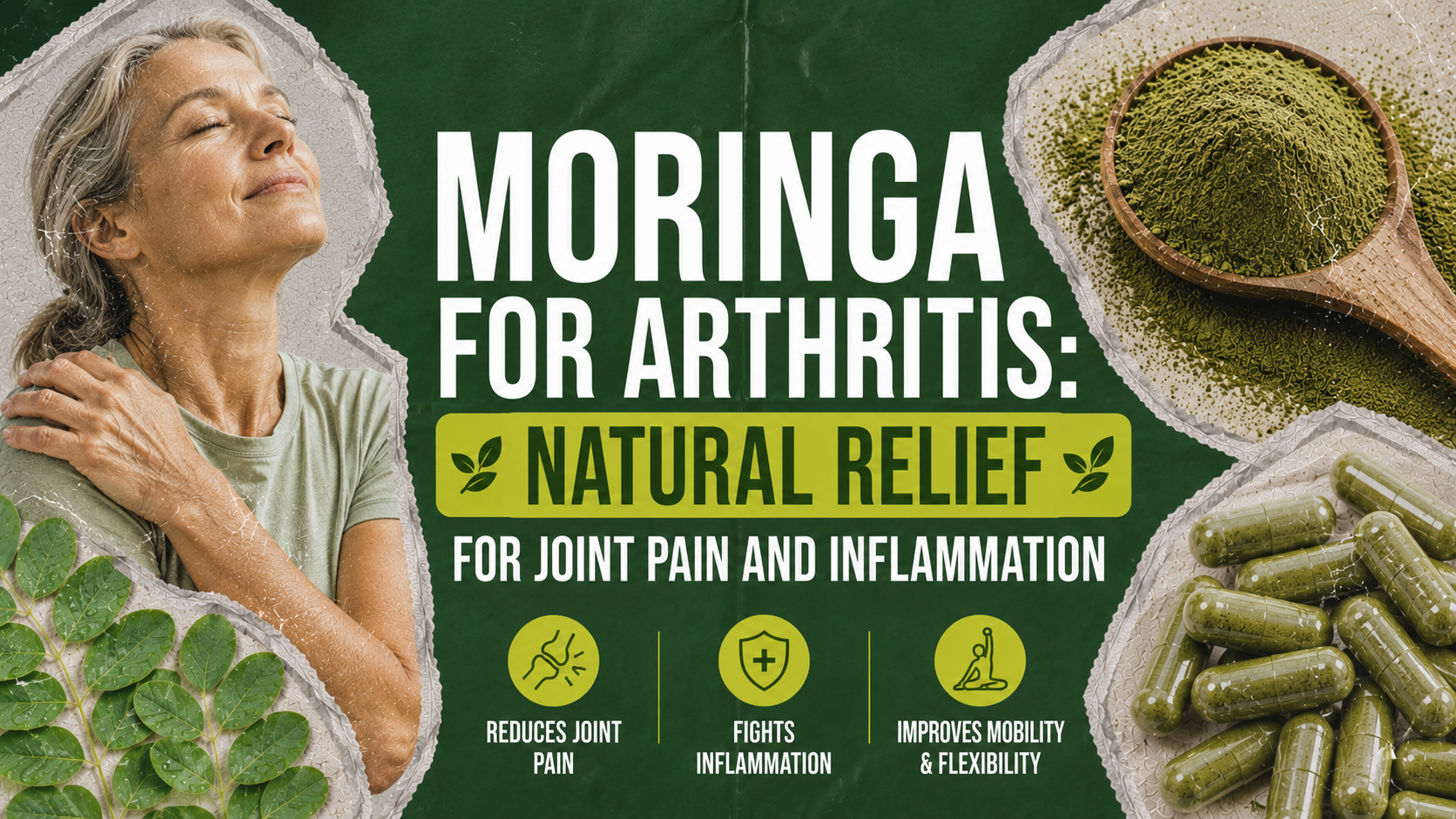
Living with arthritis can be painful and limiting — stiffness, inflammation and joint discomfort become part of everyday life. While conventional treatments help manage symptoms, many people are exploring natural options to support joint health. Moringa is emerging as a potential natural ally: rich in antioxidants, anti-inflammatory compounds and essential nutrients that address the underlying mechanisms of arthritis at a cellular level.
⚠ Important: Moringa is not a treatment or cure for arthritis and should not replace prescribed medications or medical care. This article explores moringa's potential as a complementary supplement. Always consult your healthcare provider before adding any supplement to your routine.
What Is Moringa?
Moringa oleifera is a nutrient-dense plant native to South Asia, now cultivated across many tropical regions. Its leaves are loaded with vitamins A, C and E, along with calcium, iron and essential amino acids — all crucial for maintaining strong bones, healthy tissues and a balanced immune system.
Bioactive compounds relevant to arthritis:
- Isothiocyanates — suppress pro-inflammatory enzymes involved in joint pain and stiffness
- Quercetin — potent anti-inflammatory flavonoid shown to reduce inflammatory markers
- Chlorogenic acid — antioxidant that combats oxidative stress contributing to cartilage damage
- Phenolic acids — broad-spectrum anti-inflammatory and antioxidant activity
- Vitamins C and E — protect joint tissues from oxidative degradation
This combination of anti-inflammatory and antioxidant properties — the same ones that drive moringa's benefits for natural detoxification and post-exercise recovery — makes moringa an increasingly popular choice among people managing arthritis and related joint concerns.
Is Moringa Good for Arthritis?
While human studies are still emerging, early research suggests moringa may provide supportive benefits for arthritis. A study published in PubMed found that moringa leaf extract reduced paw inflammation and improved joint outcomes in an animal model of arthritis, measured through X-ray imaging and mobility analysis. A more recent systematic review of preclinical studies found consistent evidence of moringa extracts reducing inflammatory markers, arthritis severity scores, and supporting cartilage preservation across multiple animal models.
Animal studies show moringa-fed groups displaying lower pain levels and improved cartilage structure compared to untreated groups. Although further human trials are needed, the current evidence indicates moringa could be a helpful natural supplement in managing arthritis-related inflammation and discomfort.
The same anti-inflammatory pathways that make moringa relevant for arthritis are also why it features in our guides on weight management (chronic inflammation impairs fat metabolism), menopause (oestrogen decline increases inflammation) and women's health more broadly.
How Moringa May Help with Arthritis
Moringa's effects on arthritis are linked to its ability to combat inflammation, protect against oxidative stress, and strengthen bones and tissues.
Reduces Inflammation
Chronic inflammation is the major driver of arthritis pain. Compounds in moringa — isothiocyanates and quercetin — can help suppress pro-inflammatory enzymes, easing stiffness and soreness in affected joints. This is a targeted anti-inflammatory effect at the cellular level, not simply masking pain.
Provides Antioxidant Protection
Oxidative stress accelerates cartilage damage and joint degeneration. Moringa's natural antioxidants — vitamin C, vitamin E and various polyphenols — work to neutralise free radicals that contribute to this process. Reducing oxidative burden helps slow the progression of joint tissue damage over time.
Supports Bone and Tissue Health
Moringa contains calcium, magnesium and iron, all vital for bone strength and recovery. Its amino acids also support collagen production — an essential protein for flexible joints and healthy cartilage. This is the same collagen-supporting nutrient profile behind moringa's benefits for skin health and hair strength.
Enhances Immune Balance
Some forms of arthritis — particularly rheumatoid arthritis — involve immune overactivity. Moringa's broad nutrient profile may help support more balanced immune function, potentially reducing the frequency and severity of inflammatory flare-ups. For more on moringa's immune-supporting role, see our guide to what happens when you take moringa every day.
"Unlike painkillers that offer quick but temporary relief, moringa works by supporting long-term balance in inflammation and oxidative stress — addressing the root causes rather than masking the symptoms."
How Long Can It Take for Moringa to Help Arthritis?
Moringa's effects are gradual and depend on consistent use. Most people begin noticing improvements in stiffness, swelling or mobility within four to eight weeks of daily intake. For a detailed breakdown of expected timelines across all benefits, see our full guide on how long moringa takes to work.
| Factor | How it affects results |
|---|---|
| Severity of arthritis | More advanced inflammation may take longer to respond to nutritional support |
| Product quality | High-quality, pure leaf-based moringa delivers more consistent and reliable results |
| Consistency | Daily use is essential — skipping days prevents the anti-inflammatory compounds from building up |
| Diet and lifestyle | An anti-inflammatory diet and regular gentle movement amplify moringa's effects significantly |
How to Take Moringa for Arthritis
| Format | How to use | Best for |
|---|---|---|
| Powder | 1 tsp daily in smoothies, soups or your morning drink | Flexible dosing, adding to meals, cost efficiency |
| Capsules | Follow label instructions with water daily | Convenience, consistent dose, no prep |
⚠ Before you start: Consult your healthcare provider before adding moringa to your routine, especially if you are taking medication for arthritis, blood pressure, blood sugar or thyroid conditions. Moringa complements medical care but should never replace prescribed treatment.
Not sure which format suits your routine? Our powder vs capsules guide covers the practical differences in full.
Final Thoughts
Arthritis can significantly affect daily life, but natural support from moringa may offer meaningful complementary relief. With its anti-inflammatory, antioxidant and nutrient-rich properties, moringa provides a gentle yet effective way to help reduce pain, improve flexibility and protect joint health over time.
Moringa is not a cure — but as part of a healthy lifestyle that includes balanced nutrition, movement and appropriate medical guidance, it can become a steady partner in your journey towards stronger, more comfortable joints and a more active life. The anti-inflammatory benefits that support arthritis also benefit a wide range of related health goals, including menopause joint stiffness, postnatal recovery and active fitness support.
Frequently Asked Questions
Does moringa help with arthritis?
Moringa isn't a treatment or cure for arthritis, but its anti-inflammatory and antioxidant compounds may offer complementary support for joint pain and stiffness. Research is still mostly at the animal-study stage, though findings have been consistent, and it should be used alongside — not instead of — prescribed medical care.
How much moringa should I take for joint pain?
A common starting point is 1 tsp of moringa powder daily, or the labeled capsule dose, taken consistently. Results build gradually over weeks rather than appearing immediately, so daily consistency matters more than a larger single dose.
How long does it take for moringa to help with arthritis symptoms?
Most people notice changes in stiffness, swelling or mobility within 4–8 weeks of daily use. More advanced inflammation may take longer to respond, and results depend on product quality, consistency and overall lifestyle factors like diet and movement.
Is moringa safe to take with arthritis medication?
Moringa is generally well tolerated, but it can interact with medications for blood sugar or blood pressure, and its iron content is relevant for some conditions. Always consult your healthcare provider before adding moringa alongside arthritis medication.
Can moringa help with rheumatoid arthritis specifically?
Some research suggests moringa's nutrient profile may help support more balanced immune function, which is relevant to rheumatoid arthritis given its autoimmune component. This is an area of ongoing research rather than an established treatment, so it should be discussed with a healthcare provider as a complementary approach only.
Is moringa better than turmeric for joint pain?
Both are commonly discussed for joint support, and both have anti-inflammatory compounds, but they work through different mechanisms and haven't been directly compared in head-to-head human trials. Some people use them together as part of a broader anti-inflammatory routine — check with a healthcare provider before combining supplements.
Ready to Feel the Difference?
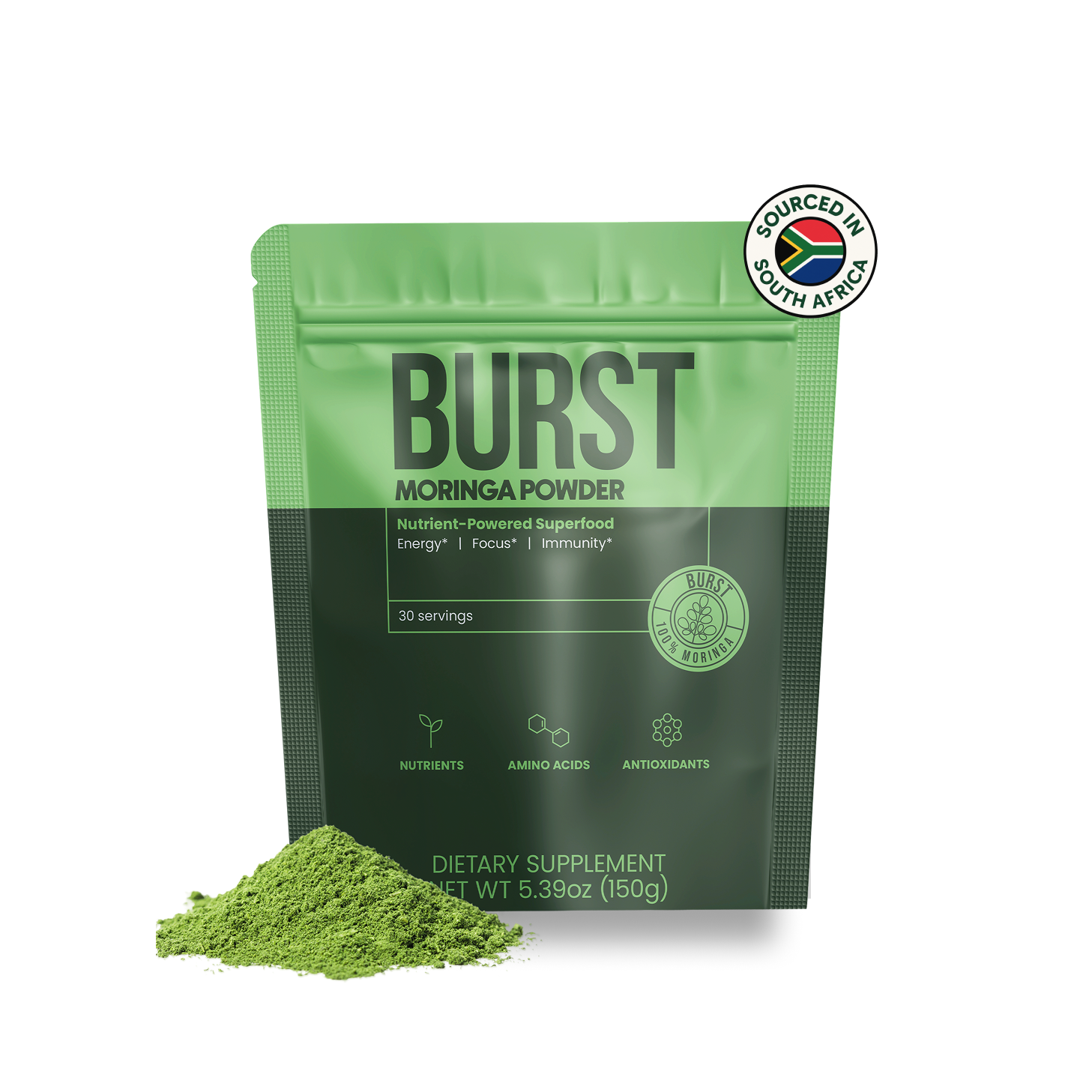
Wild-harvested, single-origin moringa — grown in nutrient-rich Southern African soil, free from fillers, and processed for maximum absorption.