
Emily is a co-founder of Burst, writes about moringa nutrition, sourcing and supplement quality, drawing on research into plant-based wellness and everyday nutrition.
Moringa may enhance the effect of blood sugar medication, so anyone with diabetes should talk to their healthcare provider before adding it, and monitor blood sugar closely when starting.
Moringa, often hailed as the "miracle tree," is rapidly gaining recognition in the health and wellness community. Rich in vitamins, minerals, antioxidants, and essential amino acids, this superfood has been studied for its potential in supporting various health conditions, including diabetes. If you're wondering whether moringa and diabetes management go hand in hand, you've come to the right place.
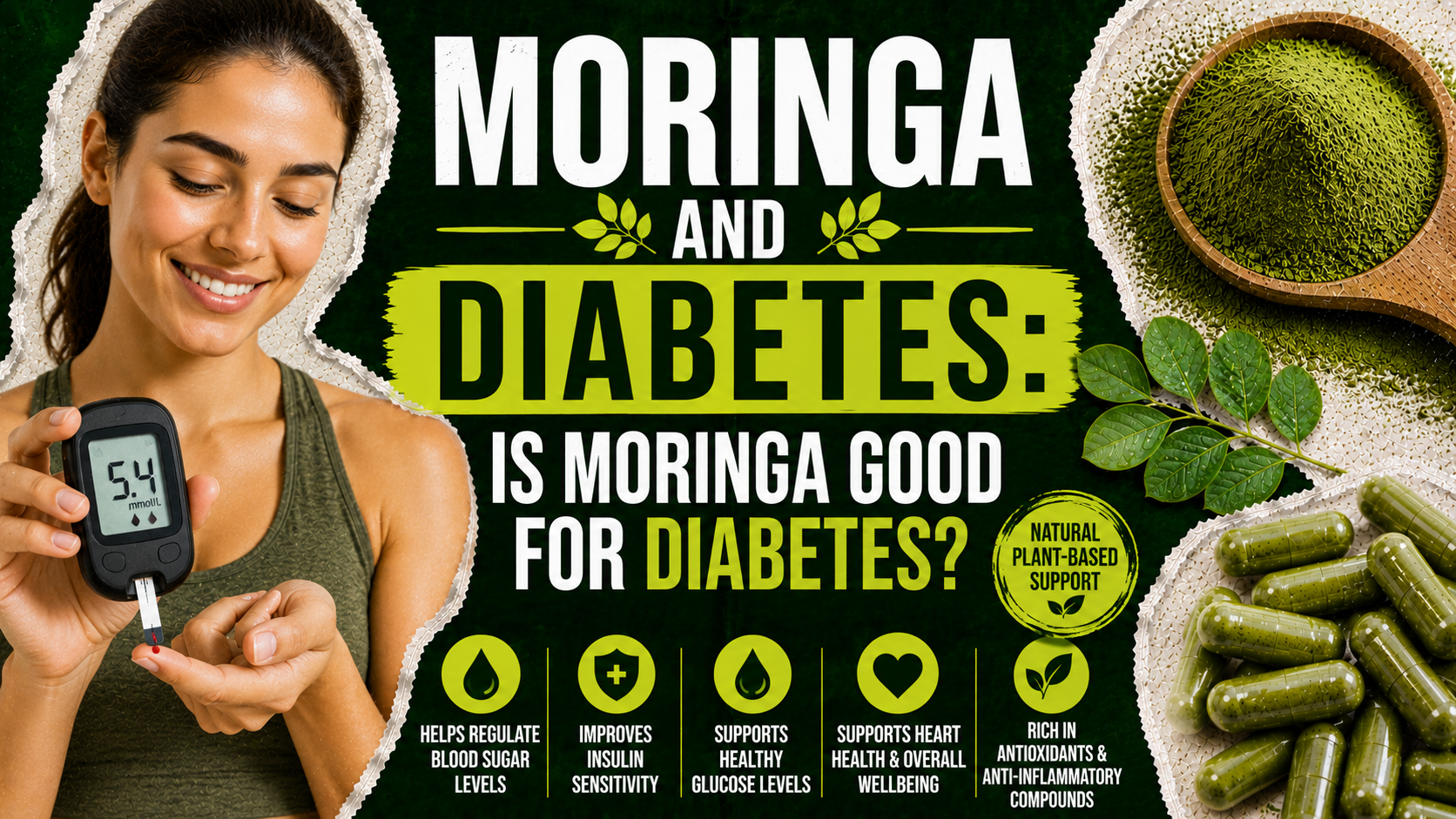
The short version: Moringa shows real promise as a supportive dietary addition for managing blood sugar — but it works best as a complement to prescribed care, not a replacement.
What Is Diabetes?
Diabetes is a chronic condition characterised by elevated blood sugar levels due to the body's inability to produce or effectively use insulin. Over time, high blood sugar can lead to serious complications, including heart disease, kidney damage, nerve damage, and vision problems.
Managing blood sugar levels is crucial for diabetics to prevent these complications and maintain overall health. Alongside conventional treatment, many people look to natural approaches — and moringa is increasingly part of that conversation. It's worth also understanding how moringa supports metabolic health more broadly, since weight management and blood sugar control are closely linked.
How Moringa Supports Blood Sugar Control
Moringa leaves are packed with bioactive compounds including flavonoids, phenolic acids and isothiocyanates. These compounds are known to improve insulin sensitivity and reduce oxidative stress — both of which play a central role in managing blood sugar levels.
Key bioactive benefits:
- Reduces blood sugar spikes — moringa can slow carbohydrate absorption and improve glucose metabolism
- May support insulin sensitivity — some compounds in moringa are being studied for their potential role in how effectively the body responds to insulin, though this research is still developing
- Fights inflammation — chronic inflammation is a key contributor to diabetes complications. Similar to moringa's role in joint and arthritis relief, its anti-inflammatory properties protect cells from damage
- Provides essential nutrients — over 90 nutrients including iron, vitamin C and zinc to support overall health
"Moringa doesn't act like a drug — it works by supporting the underlying systems that regulate blood sugar, which is why results build gradually with consistent use."
Does the Scientific Evidence Back It Up?
A 2022 review in Frontiers in Pharmacology covering moringa's antidiabetic properties found promising mechanisms — including improved insulin sensitivity and reduced oxidative stress — though it concludes that clinical evidence is still limited. Individual human trials have shown mixed results: some randomized studies found significant reductions in fasting blood glucose with daily moringa leaf powder, while others found no significant difference in fasting glucose or HbA1c compared to placebo.
So is moringa good for diabetes? The honest answer is: possibly helpful as a supportive addition, but not proven or consistent enough to rely on. Moringa is not a treatment for diabetes and should never replace prescribed medication. Some people may find it a useful complement to a healthy diet and their existing care plan — but results vary, and it shouldn't be expected to meaningfully change blood sugar management on its own.
These benefits connect with broader patterns seen across moringa research. The same antioxidant and anti-inflammatory compounds that support blood sugar also underpin many of the benefits documented for women's health and the effects of taking moringa daily.
How to Take Moringa for Diabetes
The effectiveness of moringa depends on dosage, form and consistency. Not sure which format suits you? Our powder vs capsules guide breaks down the differences in detail.
| Format | Dose | How to use |
|---|---|---|
| Powder | 1 tsp (approx. 5g) daily | Mix into smoothies, lattes or water |
| Capsules | 2–3 capsules daily | Take with meals |
⚠ Important: Always consult your healthcare provider before adding moringa to your regimen, especially if you are on medications like metformin. Moringa may enhance the effects of blood sugar medication, so monitoring is important.
How Long Does It Take for Moringa to Lower Blood Sugar?
Effects vary based on individual health, diet and lifestyle. Research indicates noticeable improvements in fasting blood sugar within 1 to 2 months of consistent use at clinically relevant doses. For a full picture of what to expect week by week, see our guide on how long moringa takes to work.
| Timeline | What you may notice |
|---|---|
| 1 week | Initial energy boost and improved digestion |
| 1 month | Sustained energy and better clarity |
| 2 months | Reduced inflammation and improved mental focus |
| 3+ months | Stable blood sugar, optimised wellness and long-term health benefits |
Is Moringa Safe for Diabetics?
Moringa is generally safe when consumed at recommended doses. It is naturally rich in nutrients, antioxidants and anti-inflammatory compounds. The cleansing and detox properties of moringa also make it a broadly supportive supplement for metabolic health.
However, diabetics should:
- Monitor blood sugar regularly when starting moringa
- Consult a healthcare professional before combining with prescription medications
- Start with a lower dose and gradually increase to assess tolerance
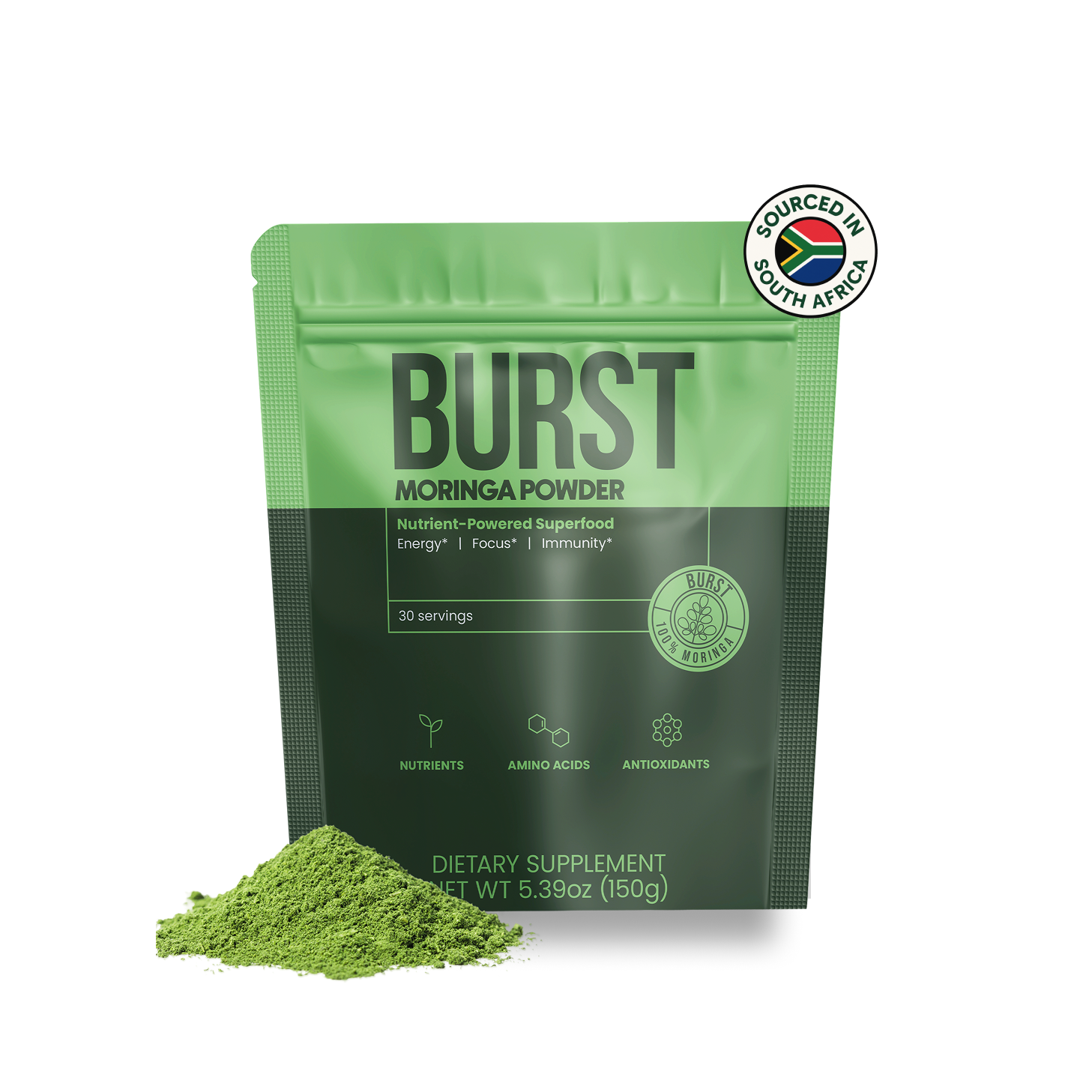
Not all moringa is created equal. Many products on the market are underdosed or contain fillers. Burst Moringa offers 100% pure moringa leaf powder and capsules — third-party tested, grown in nutrient-rich South African soils and dosed for genuine clinical relevance.
Frequently Asked Questions
What is the best way to take moringa for diabetes?
Moringa can be taken as a powder mixed in drinks or in capsule form. The key is consistent daily use and monitoring blood sugar levels to understand its impact.
How long does it take for moringa to lower blood sugar?
Most users notice improvements within 1 to 2 months of consistent intake at clinically relevant doses. See our full timeline guide for more detail.
Is moringa good for diabetics taking metformin?
Yes, but monitor blood sugar levels closely and consult your healthcare provider, as moringa may enhance the effects of metformin.
These statements have not been evaluated by the Food and Drug Administration. This content is for general informational purposes only and is not intended to diagnose, treat, cure, or prevent any disease, including diabetes. Always consult a healthcare professional before making changes to your diabetes management plan.
A Nutrient-Dense Addition to Your Routine
Wild-harvested, single-origin moringa — grown in nutrient-rich Southern African soil, free from fillers, and processed for maximum absorption.