
Emily is a co-founder of Burst, writes about moringa nutrition, sourcing and supplement quality, drawing on research into plant-based wellness and everyday nutrition.
Only pure leaf powder is appropriate during pregnancy — root, bark and flowers must be avoided, as they may stimulate uterine contractions.
Moringa is not a prenatal supplement and shouldn't replace one. Always consult your midwife or doctor before adding any supplement, including moringa, to your prenatal or postnatal routine.
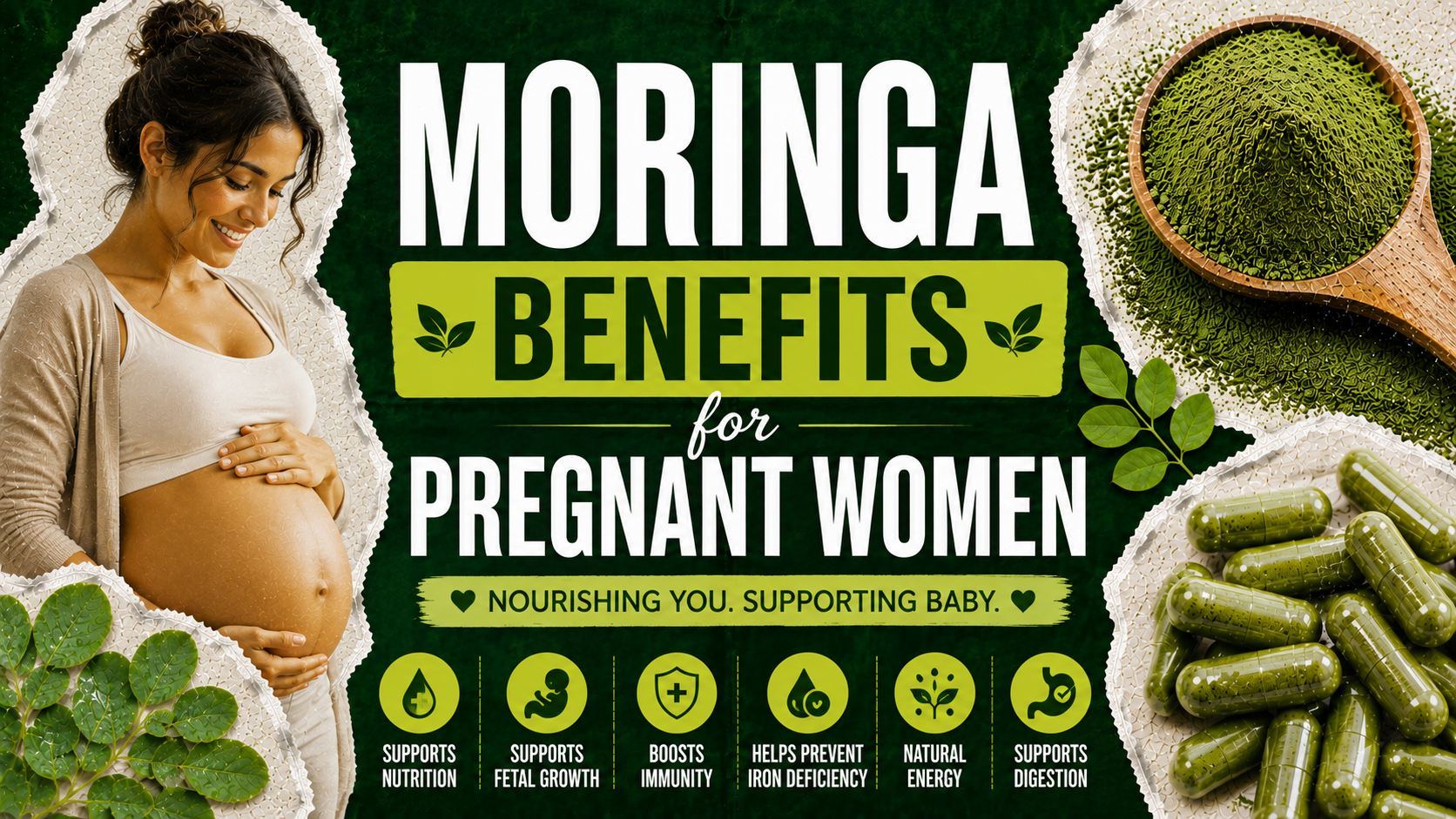
Pregnancy is one of the most nutritionally demanding times in a woman's life. Not only does your body need to maintain your own health, it's also providing everything your growing baby needs. Adequate iron, calcium, protein and essential vitamins are key — and that's where moringa oleifera, often called the "miracle tree," is attracting growing attention.
⚠ Important before reading: The potential benefits discussed in this article are based on moringa's nutrient profile and preliminary studies. Human research specific to pregnancy is still limited. Always consult your midwife or healthcare provider before adding any supplement to your prenatal routine.
How Moringa May Support Pregnancy Nutrition
1. A Natural Iron Boost
Iron deficiency anaemia is one of the most common nutritional concerns during pregnancy. Moringa leaves can contain up to 28mg of iron per 100g of dried powder — a significant concentration that may help support healthy haemoglobin levels and oxygen delivery to both mother and baby. This is the same iron-supporting mechanism behind moringa's broader benefits for daily energy levels and fatigue reduction.
2. Calcium for Strong Bones
Your baby's skeleton develops rapidly during pregnancy, and maternal calcium needs increase significantly. Moringa is naturally calcium-rich — gram for gram it may provide more calcium than milk. This makes it a useful plant-based source of bone-supporting minerals, complementing a varied prenatal diet.
3. Rich in Key Vitamins
Key vitamins in moringa for pregnancy:
- Vitamin A — supports immune function, vision development and healthy tissue growth in the baby
- Vitamin C — essential for collagen production, immune defence and enhancing iron absorption
- Vitamin E — antioxidant protection for cells during a period of rapid growth and increased oxidative stress
- B vitamins — support energy metabolism and nervous system development
4. Plant-Based Complete Protein
With all nine essential amino acids, moringa is a rare plant-based complete protein. This supports maternal tissue repair and maintenance throughout pregnancy, as well as fetal growth and development. The same complete amino acid profile is why moringa is popular for muscle recovery and performance in active adults.
"Moringa isn't a prenatal supplement — it's a nutrient-dense whole food that can help fill specific nutritional gaps during one of the most demanding periods of a woman's life."
Beyond Pregnancy: Moringa for Lactation
Traditionally, moringa leaves have been used as a galactagogue — a natural aid to support breast milk supply. Preliminary studies have shown promising results for boosting milk volume — the NIH's LactMed database notes several small trials found modest increases in milk supply, though results across studies have been mixed and further research is needed. Moringa's use for lactation support has a long history across Africa and Asia.
The nutritional demands of breastfeeding are substantial — iron, calcium and vitamin requirements remain elevated postnatally. Moringa's nutrient density makes it equally relevant in the postnatal period. For a deeper look at this, see our guide to moringa and postnatal recovery.
Is Moringa Safe During Pregnancy?
Moringa leaf powder is consumed as food in many cultures and is generally considered safe in food amounts. However, supplement forms carry additional considerations during pregnancy that require medical guidance.
⚠ Critical safety information: Avoid moringa root, bark and flowers — these parts of the plant may contain compounds that could stimulate uterine contractions and must not be consumed during pregnancy. Only moringa leaf powder from a trusted, tested source is appropriate to discuss with your healthcare provider.
| Safety checklist | Why it matters |
|---|---|
| Use only pure moringa leaf powder | Root, bark and flowers may have uterotonic effects — avoid completely during pregnancy |
| Choose a trusted, tested brand | Quality and purity matter — Burst Moringa is third-party tested and free from contaminants |
| Confirm dosage with your doctor | Supplement doses differ from food amounts; your provider can advise on what's appropriate for you |
| Disclose to your midwife | All supplements should be declared as part of your prenatal care record |
Frequently Asked Questions
Is moringa safe for pregnant women?
Moringa leaf powder is generally considered safe in food amounts and is consumed as part of the diet in many cultures. However, moringa supplements should only be taken during pregnancy under medical supervision. Always consult your midwife or doctor before adding any supplement to your prenatal routine.
What are the benefits of moringa during pregnancy?
Moringa is rich in iron (to support healthy haemoglobin levels), calcium (for bone development), vitamins A, C and E (for immune, vision and antioxidant support), and complete plant protein with all nine essential amino acids. These nutrients align closely with the increased demands of pregnancy. See our broader guide on moringa benefits for women for wider context.
Can moringa help with breastfeeding?
Early studies and traditional use suggest moringa may support breast milk production, with moringa historically used as a galactagogue across many cultures. More clinical research is needed to confirm the effect. For a full breakdown of postnatal use, see our guide on moringa and postnatal recovery.
Can I take moringa in early pregnancy (first trimester)?
The main safety consideration — avoiding root, bark and flowers due to their potential effect on uterine contractions — applies throughout pregnancy, including the first trimester. Because research on moringa supplementation specifically in early pregnancy is limited, it's especially important to consult your midwife or doctor before starting, rather than beginning on your own.
The Bottom Line
Moringa is nutrient-dense and may help fill certain nutritional gaps during pregnancy — particularly for iron, calcium, vitamins and plant-based protein. But safety comes first. Always consult a healthcare professional before adding any supplement to your prenatal routine, and use only pure moringa leaf powder from a trusted, tested source.
Moringa's benefits for women extend well beyond pregnancy — from menopause support and skin health to hair growth and weight management. It's part of a wider picture of nutritional support across every stage of a woman's life.
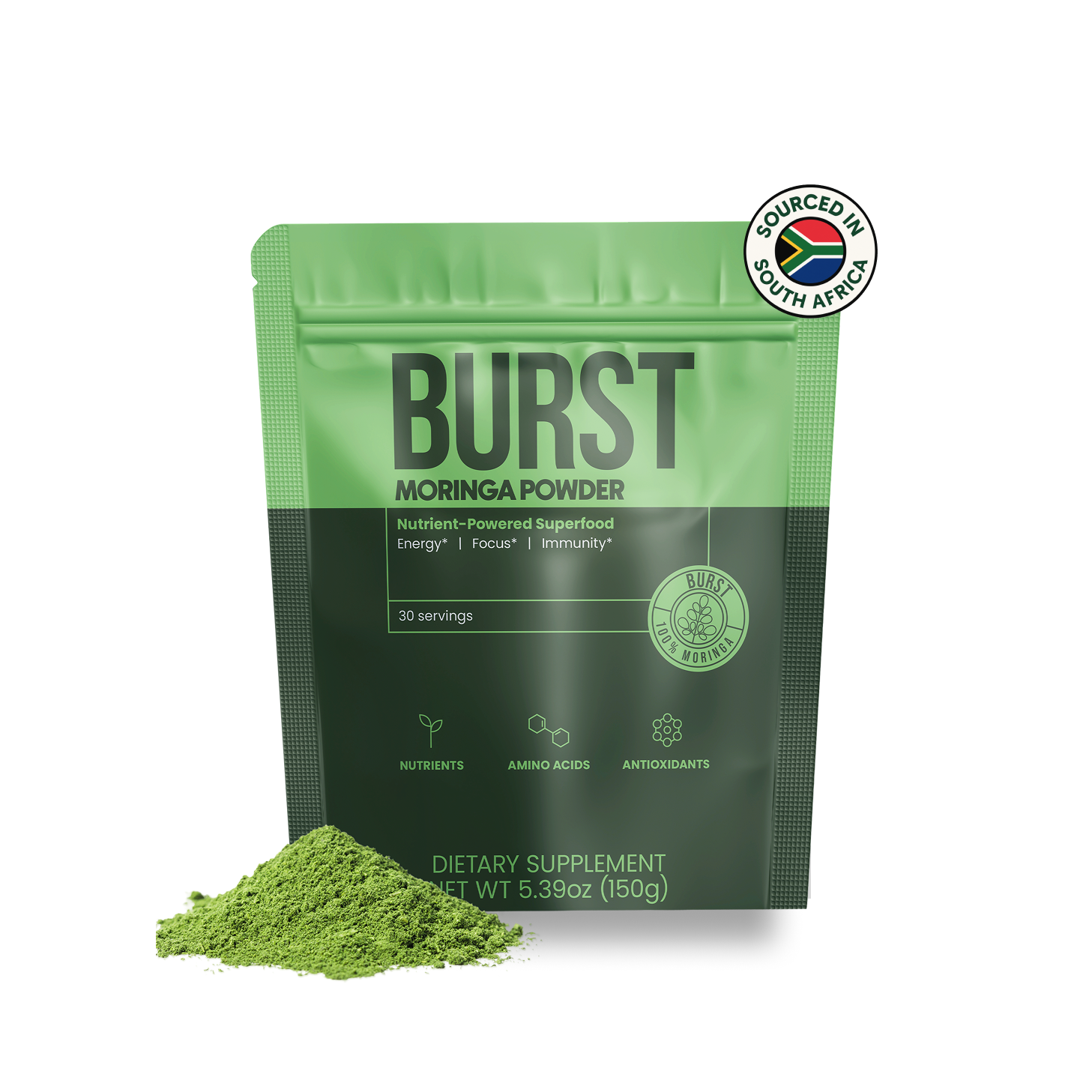
Pure Moringa Leaf Powder — Burst Moringa, Third-Party Tested
100% pure moringa leaf powder. No fillers, no root or bark. Always consult your healthcare provider before use during pregnancy.
Shop Now →